




Did you know there’s a lot more to your car’s tires and wheels than just spinning to make your vehicle move? It’s actually a complex system that works together, and understanding how your tires and wheels work together can help you catch problems early, maintain your vehicle properly, and make smarter decisions at the service counter. This FAQ breaks everything down in plain language for drivers in Anniston, Alabama.
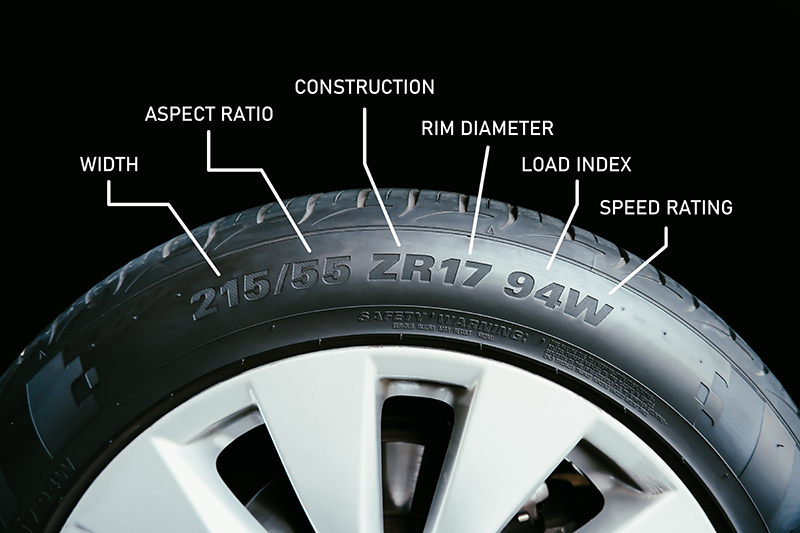
What Are the Main Parts of a Wheel?
A wheel is made up of several distinct components, and each one plays a role in keeping your vehicle safe and running smoothly.
The rim is the outer circular edge of the wheel that holds the tire in place. The spokes connect the rim to the center and give the wheel its structural integrity – they also contribute heavily to the visual style of the wheel. The hub sits at the center and is where the wheel bolts onto the axle. Lug nuts (or lug bolts on some vehicles) fasten the wheel to the hub. They should always be torqued to the manufacturer’s specification – over- or under-tightening can cause warping or wheel separation.
Read the rest of this entry »Buying a new Chevrolet is exciting, but figuring out how to pay for it can feel overwhelming if you have never gone through the process before. Understanding how vehicle financing works can make the whole experience much smoother. If you are eyeing a new Silverado, Equinox, or Trax, this guide answers the most common questions drivers in Anniston, Alabama, ask before signing on the dotted line.

What Is Vehicle Financing?
Vehicle financing is the process of borrowing money to purchase a car and repaying that amount, plus interest, over a set period. Instead of paying the full purchase price upfront, you make monthly payments to a lender until the loan is paid off. Most buyers finance through a bank, credit union, or a manufacturer-affiliated lender like GM Financial.
How Do Interest Rates Work?
Your interest rate, also called your annual percentage rate (APR), determines how much you pay in addition to the principal loan amount. Rates vary based on your credit score, the loan term, the vehicle model year, and current market conditions. Buyers with stronger credit typically qualify for lower rates. GM Financial occasionally offers promotional financing rates on select Chevrolet models, which can reduce your overall cost significantly.
Read the rest of this entry »Chevrolet EVs Explained: Blazer EV Features, Ownership Costs, Lifestyle Benefits, and Maintenance
Electric vehicles are changing the way drivers think about daily transportation. Chevrolet EVs combine advanced technology, efficient performance, and modern convenience to provide an alternative to traditional gasoline-powered vehicles. From the versatile Chevrolet Blazer EV to the Equinox EV and Silverado EV, Chevrolet offers electric options designed for different lifestyles.
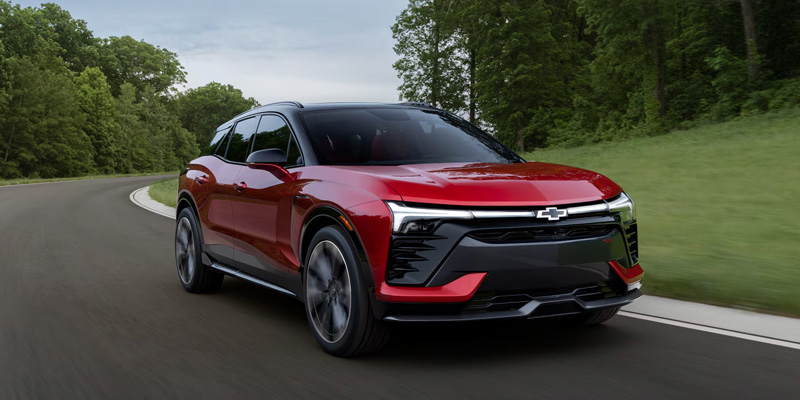
At Cooper Chevrolet in Anniston, AL, we help drivers understand what makes EV ownership different, including potential cost advantages, daily lifestyle upgrades, charging considerations, and maintenance requirements. Whether you are considering your first electric vehicle or upgrading from a traditional gas-powered model, understanding Chevrolet EV technology can help you make an informed decision.
What Makes Chevrolet EVs Different?
Chevrolet EVs are designed around an all-electric powertrain that replaces traditional gasoline engines with electric motors and battery technology. This allows drivers to experience responsive acceleration, quiet operation, and fewer routine maintenance requirements compared to many gas-powered vehicles.
Read the rest of this entry »Oil Pressure FAQ: Understanding Low Oil Pressure Warning Signs and Solutions for Your Chevrolet
Oil pressure plays an essential role in keeping your Chevrolet engine properly lubricated and operating efficiently. When oil circulates through the engine, it creates a protective barrier between moving components, reduces friction, and helps manage heat. A drop in oil pressure can indicate a maintenance issue that requires attention.
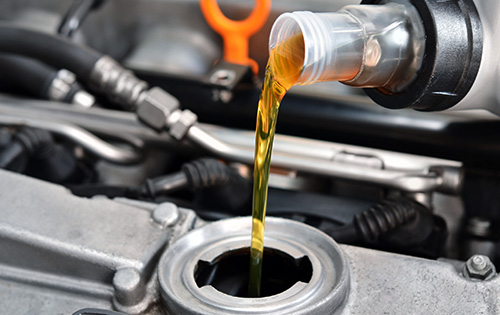
At Cooper Chevrolet in Anniston, AL, we help drivers understand important vehicle maintenance topics, including common oil pressure concerns, warning signs, and steps to protect their Chevrolet. Whether you drive a Silverado, Equinox, Traverse, Tahoe, or another Chevy model, knowing how your oil pressure system works can help you maintain dependable performance.
What Is Oil Pressure and Why Does It Matter?
Oil pressure refers to the force that moves engine oil through internal passages to reach important components. Your engine depends on consistent oil flow to lubricate bearings, pistons, and other moving parts. Without proper oil pressure, these components can experience increased friction and heat.
Read the rest of this entry »If you are shopping for a new pickup truck in Anniston, Alabama, you will find the right fit at Cooper Chevrolet. The 2026 Chevrolet Silverado 1500 trims offer something for every type of driver, ranging from capable work trucks to refined off-road vehicles. This guide breaks down the features of each model, highlighting the key specifications that set them apart. Reach out to our team to discover the perfect truck for your daily commute or weekend projects.
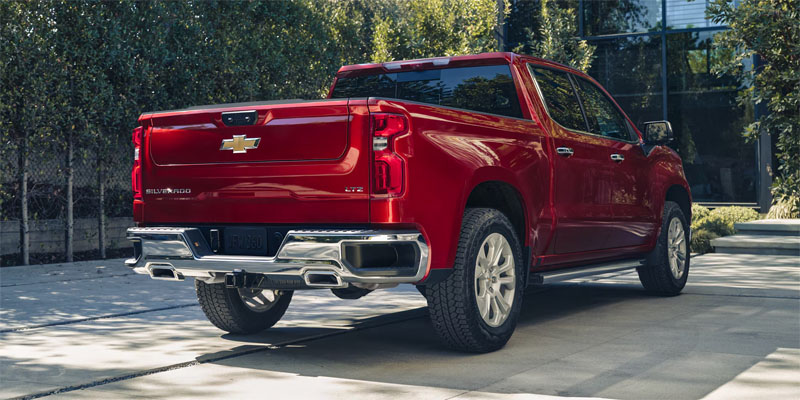
WT (Work Truck)
The WT offers a 2.7L TurboMax engine, producing 310 hp and 430 lb-ft of torque. It includes a Durabed cargo bed with 12 tie-downs, making it ideal for tough tasks. An available 5.3L V8 engine provides 355 hp for increased capability.
Read the rest of this entry »Oil Light On? Here’s What Every Driver Should Know
There are dashboard lights you can negotiate with. The low washer fluid light? Fine. You can probably survive another day. A reminder that your favorite radio station is no longer available? Tragic, but manageable. The oil warning light is different. When that little oil can icon appears on your dashboard, your vehicle is essentially saying, “We need to talk. Right now.” And unlike many conversations in life, ignoring this one can become extremely expensive.
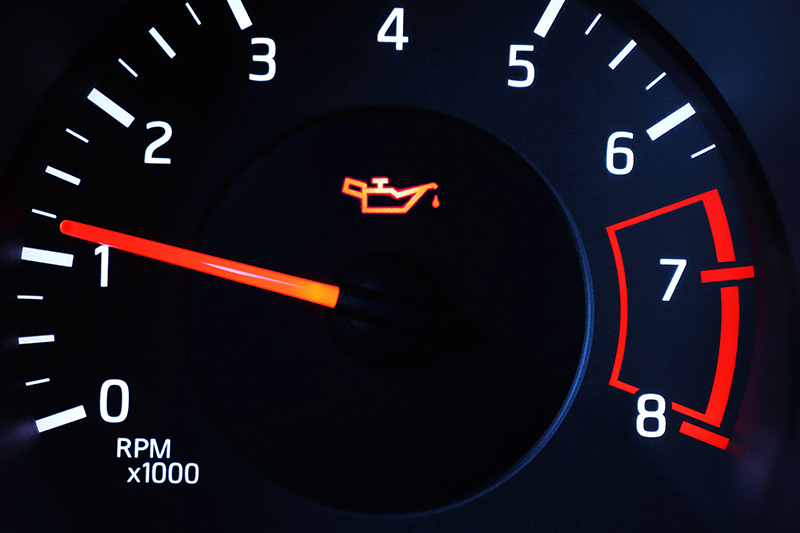
The First Thing to Do Is Stop Pretending It’s Nothing
The moment the oil light comes on, your priority is finding a safe place to pull over. Not after the next exit. Not after you finish this song. Not after you stop for coffee. As soon as it is safe, pull over and switch off the engine.
Read the rest of this entry »Tires and wheels are one of the most important systems on any vehicle, and they require regular maintenance to ensure safe operation. Drivers at Anniston Ford in Anniston, AL should understand how these components function to maintain vehicle performance. This guide provides factual information regarding tire parts, wheel assembly, and common maintenance needs. You should contact our service department to discuss any specific concerns regarding your vehicle.
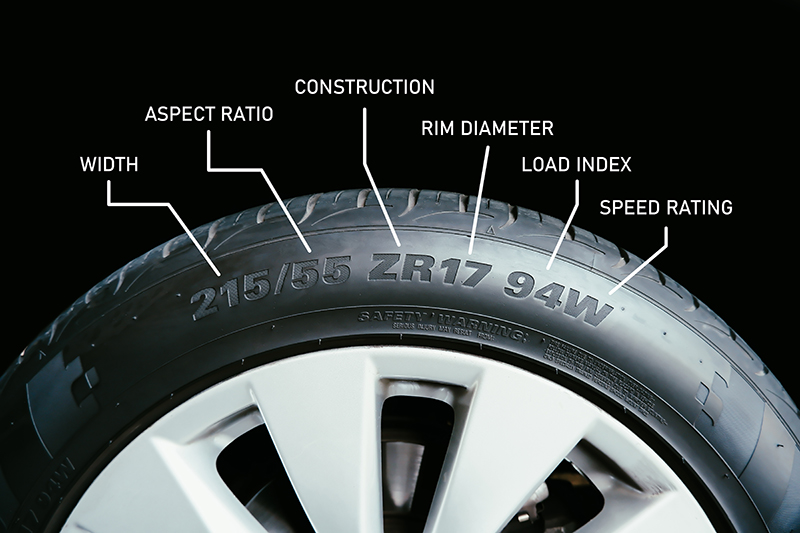
What Are the Main Parts of a Tire?
A tire is a complex assembly that consists of several layers, and each part serves a specific purpose for vehicle safety. The tread is the outermost layer that makes contact with the road, and it uses grooves to move water away for better grip. The sidewall protects the internal structure from damage, and it contains printed data like the tire size and load rating.
The bead is a steel-reinforced edge that locks the tire to the rim, and it creates an airtight seal to prevent leaks. Inside the tire, the inner liner holds the compressed air and replaces the need for an inner tube. The body ply and belt package provide the structural strength, and these layers help the tire maintain its shape during operation.
What Are the Main Parts of Wheels?
The wheel assembly includes the rim, which is the metal edge where the tire bead sits. The barrel is the cylindrical section that determines the total width of the wheel. The hub serves as the central mounting point for the axle, and it contains the wheel bearing that allows for smooth rotation.
Spokes or a solid disc connect the hub to the rim for structural support. Lug nuts are fasteners used to secure the wheel to the hub studs, and they must be tightened to the correct torque. The valve stem is a small fitting used for inflation, and it often contains sensors for the tire pressure monitoring system®.
How Does Tire Pressure Work?
Proper tire pressure ensures the tire footprint is the correct size for handling. Most passenger vehicles require between 30 and 35 PSI, and the specific value is listed on a sticker inside the driver side door jamb. Temperature changes in Anniston, AL can cause pressure to shift by 1 PSI for every 10-degree change in Fahrenheit. Underinflated tires generate excess heat, while overinflated tires wear out in the center of the tread.
What are Common Problems with Tires and Wheels?
Tires can experience punctures from nails or screws, and these often require professional repair if the damage is in the tread area. Uneven tread wear may indicate problems with alignment or improper inflation. Sidewall bubbles occur when the inner structure is damaged, and a tire with this type of damage is unsafe to drive. Wheels can become bent or cracked from hitting potholes, and these issues may cause vibrations at high speeds.
What Maintenance Should be Scheduled for Tires and Wheels?
Tire rotation should occur every 5000 to 7500 miles to ensure even wear across all 4 tires. Wheel alignment should be checked 1 time per year to prevent the vehicle from pulling to 1 side. Technicians perform wheel balancing to correct weight distribution, and they use small weights to stop steering wheel vibrations. Tread depth should be measured regularly using a gauge to ensure safety on wet roads. If the tread is at or below 2/32″, the tire must be replaced for safety.
Keeping your tires and wheels in good condition helps support safer handling, smoother driving, and longer tire life. If you notice uneven tread wear, low tire pressure, vibration, or possible wheel damage, schedule tire and wheel maintenance with Cooper Chevrolet. Our service team can inspect your tires, check alignment and balance, review tread depth, and help you understand the next steps for your vehicle.
3 Unique Equinox Trims to Choose From
The 2026 Chevy Equinox trims give Anniston, AL drivers several options to match their daily driving needs, style preferences, and comfort expectations. Available at Cooper Chevrolet, this compact SUV offers the LT, RS, and ACTIV trim levels, each with its own mix of design, technology, safety, and performance features. Use this guide to compare the lineup and find the Equinox model that fits your lifestyle.
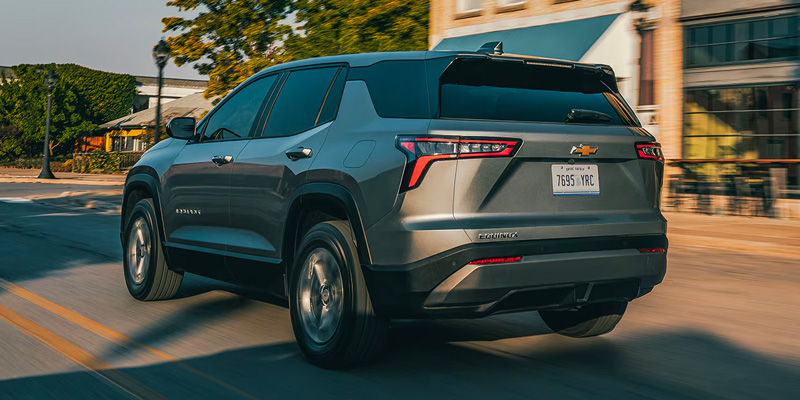
The 2026 Equinox LT
The LT is the standard trim in the 2026 Equinox lineup. It features a 1.5 L turbocharged 4-cylinder engine. This engine generates 175 hp and 184 lb-ft of torque in front-wheel drive models. If the vehicle has all-wheel drive, the torque increases to 203 lb-ft. This trim includes 17″ wheels. The cabin contains an 11.3″ infotainment touchscreen and an 11″ driver information center. Heated front seats and a heated steering wheel are standard equipment.
The 2026 Equinox RS
The RS trim provides a different appearance for the 2026 Equinox. It includes a specific grille, black mirrors, and black badging. This trim comes with 19″ machined wheels. 20″ wheels are an available option for this trim level. The interior features Torch Red and Santorini Blue stitching. A flat-bottom steering wheel is also included. These features provide a distinct look compared to other trims.
The 2026 Equinox ACTIV
The ACTIV trim is designed for use on multiple surfaces. It includes 17″ machined wheels and all-terrain tires. The suspension system has a unique tune for this specific model. The interior uses Evotex© and sueded microfiber materials on the seats. A white two-tone roof and roof rails are available options. This trim has a unique front fascia and a black grille.
Safety and Technology Features
All 2026 Equinox trims include over 15 safety and driver assistance features. The Chevy Safety Assist package is standard on every model. This package includes automatic emergency braking and lane keep assist. Every trim has adaptive cruise control and an HD rear vision camera. The infotainment system is compatible with Apple CarPlay© and Android Auto©. It also includes Google© built-in services and OnStar© connectivity.
Cargo Space and Performance
The 2026 Equinox provides 63.5 cubic feet of maximum cargo volume when the 60/40 split-bench rear seats are folded. There is a storage compartment located under the rear cargo floor. All trims have a towing capacity of 1,500 pounds when the vehicle is properly equipped. The drive mode selector allows the operator to change vehicle settings for different road conditions.
If you want to see one of the 2026 Chevrolet Equinox trims, you can visit Cooper Chevrolet in Anniston, AL. The staff can help you compare the LT, RS, and ACTIV to see which one is the right Equinox for your lifestyle.
An oil filter might not always be top of mind when it comes to maintaining your Chevrolet, but it plays a crucial role in ensuring your vehicle’s engine operates smoothly. Just like engine oil, the oil filter is essential for keeping your engine clean and running efficiently. If left unchecked, a dirty or damaged oil filter can lead to a host of engine problems, including reduced performance and costly repairs. At Cooper Chevrolet in Anniston, AL, we’re here to help you understand what oil filters do, how to maintain them, and when it’s time for a change.

What Does an Oil Filter Do?
Oil filters are responsible for cleaning the oil as it circulates through your engine. As engine oil flows through the engine, it picks up debris, contaminants, and particles from the engine components. Without an filter, these contaminants would remain in the oil, causing damage to the engine over time.
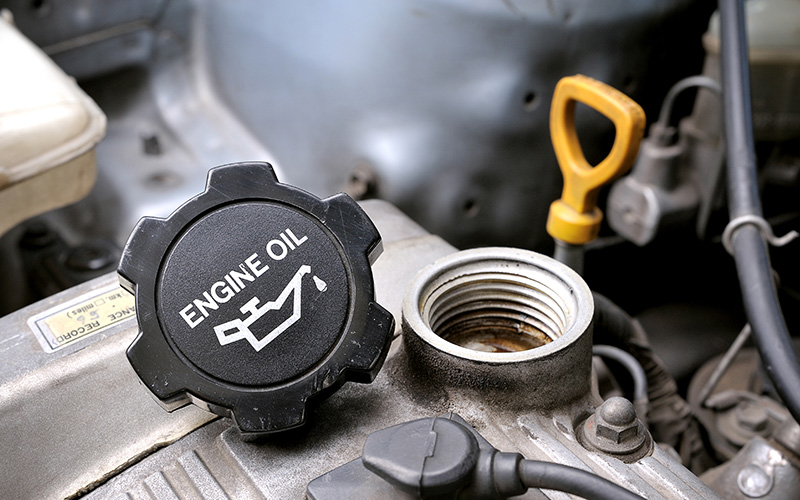
Read the rest of this entry »An oil change is a routine task that is essential for maintaining the longevity and performance of your Chevrolet vehicle. Although it may seem like a simple chore, understanding the role oil plays in your vehicle and how often it needs to be changed can save you from costly repairs and keep your engine running smoothly for years. At Cooper Chevrolet in Anniston, AL, we’re here to help you understand the ins and outs of oil changes, from the different types of oil to signs of bad oil and what could go wrong if oil changes are neglected.
The Role of Oil in Your Vehicle
Oil is the lifeblood of your vehicle’s engine. It lubricates the moving parts, reducing friction and wear. Without oil, the metal parts inside the engine would grind together, leading to overheating, damage, and eventually engine failure. Oil also helps with cooling, keeping the engine at optimal temperatures, and cleans the engine by carrying away contaminants and debris. The right oil and regular oil changes are essential to maintain your vehicle’s performance and prevent costly repairs.
What Does Oil Do?
- Lubrication: Reduces friction between moving parts, preventing metal-on-metal contact and wear.
- Cooling: Helps dissipate heat from the engine, ensuring it doesn’t overheat.
- Cleaning: Traps contaminants and debris, preventing them from circulating in the engine.
- Sealing: Helps maintain proper pressure and seals gaps between components.
How Often Should You Schedule an Oil Change?
The frequency of oil changes depends on several factors, including the type of oil used, driving conditions, and your vehicle’s specific requirements. Most vehicles will need an oil change every 3,000 to 5,000 miles. However, newer vehicles with synthetic oils may extend this range.
Factors Affecting Oil Change Frequency
- Oil Type: Conventional oil typically requires more frequent changes (every 3,000 to 5,000 miles), while synthetic oil can last longer, up to 7,500 miles or more.
- Driving Conditions: Frequent short trips, stop-and-go traffic, and extreme weather conditions can require more frequent oil changes.
- Vehicle Manufacturer Recommendations: Always refer to your vehicle’s owner’s manual for the manufacturer’s recommended oil change intervals.
If you’re unsure about when your vehicle is due for an oil change, our team at Cooper Chevrolet in Anniston, AL, can provide you with a detailed service schedule to ensure your vehicle stays in top shape.
Types of Oil: Which One is Right for Your Vehicle?
There are several types of oil, and each one serves a specific purpose. The right type of oil for your vehicle will depend on its make, model, and engine type. Below are the most common types of oil:
Conventional Oil
- Best For: Older vehicles with simple engines.
- Pros: Affordable and widely available.
- Cons: Needs to be changed more frequently than synthetic oils.
Synthetic Oil
- Best For: Newer vehicles or those used for high-performance driving.
- Pros: Lasts longer, performs better in extreme temperatures, and reduces engine wear.
- Cons: More expensive than conventional oil.
Synthetic Blend Oil
- Best For: Drivers who want some of the benefits of synthetic oil but at a lower cost.
- Pros: A mix of synthetic and conventional oil offers enhanced protection.
- Cons: Doesn’t last as long as full synthetic oil.
High-Mileage Oil
- Best For: Older vehicles with more than 75,000 miles.
- Pros: Helps reduce leaks and oil burn-off, and contains additives to improve engine performance.
- Cons: Can be more expensive than regular oil.
Symptoms of Needing an Oil Change
Over time, engine oil degrades due to heat and contaminants, and if it isn’t replaced in a timely manner, it can cause significant damage to the engine. Here are some symptoms of bad or low oil that you should watch out for:
1. Check Engine Light or Oil Pressure Light
If the oil pressure light or check engine light comes on, it could be a sign that the oil pressure is too low, or the oil quality has degraded.
2. Loud Engine Noises
If your engine begins making knocking or grinding noises, it could indicate that the oil isn’t properly lubricating the engine parts.
3. Burning Smell
If you notice a burning oil smell, it could mean that the oil is old or that it has begun to leak onto hot engine components.
4. Exhaust Smoke
Blue or grey smoke coming from the exhaust could indicate that oil is leaking into the combustion chamber, which often happens when the oil becomes too thin or has leaked from an aging engine seal.
5. Decreased Fuel Efficiency
Dirty oil can cause the engine to work harder, which can decrease fuel efficiency. If your vehicle is consuming more fuel than usual, it could be time for an oil change.
What Can Go Wrong If You Don’t Change Your Oil?
Neglecting oil changes can lead to serious engine problems. Over time, dirty or low oil can result in:
- Increased Wear and Tear: Lack of lubrication leads to faster wear of engine parts.
- Overheating: Oil helps regulate the engine’s temperature, so running low on oil or using old oil can cause the engine to overheat.
- Engine Seizure: In extreme cases, the engine could seize, meaning the parts inside the engine have worn down so much that they can no longer move, requiring a full engine replacement.
- Decreased Performance: The engine may become sluggish, and your vehicle could suffer from reduced power and responsiveness.
By staying on top of oil changes, you can avoid these issues and extend the life of your vehicle.
At Cooper Chevrolet in Anniston, AL, we understand how important it is to maintain your vehicle’s oil system. Regular oil changes not only keep your engine running smoothly but also help you avoid unnecessary repairs and costly damage down the road. If you’re due for an oil change or have any questions about the right oil for your Chevrolet, don’t hesitate to reach out. Our expert service team is here to assist you in keeping your vehicle in optimal condition.
Connect with us


- August 2026
- July 2026
- June 2026
- May 2026
- April 2026
- March 2026
- October 2025
- July 2025
- March 2025
- February 2025
- October 2024
- June 2024
- May 2024
- March 2024
- February 2024
- January 2024
- December 2023
- September 2023
- August 2023
- May 2023
- April 2023
- January 2023
- July 2022
- June 2022
- May 2022
- April 2022
- March 2022
- February 2022
- January 2022
- December 2021
- November 2021
- September 2021
- August 2021
- July 2021
- June 2021
- May 2021
- April 2021
- March 2021
- February 2021
- December 2020
- November 2020