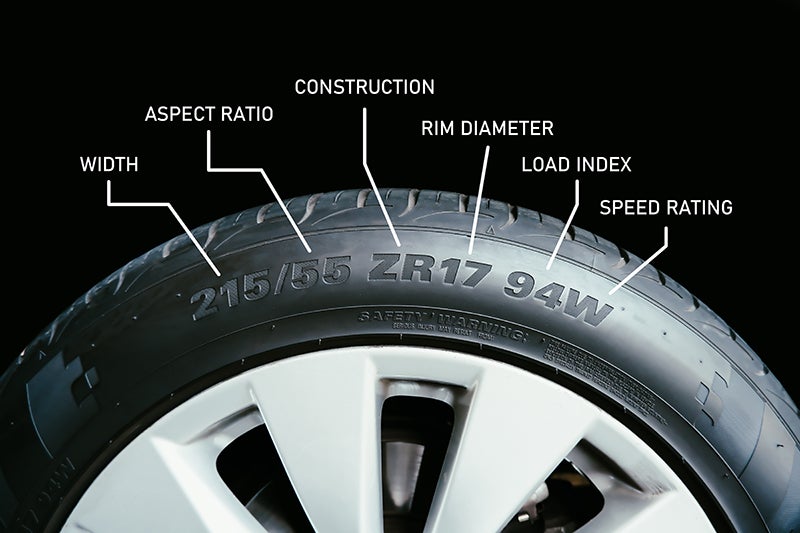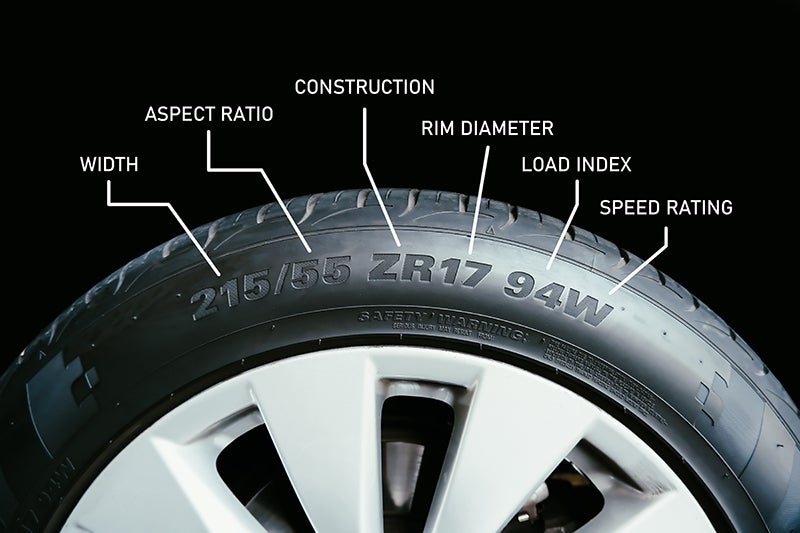





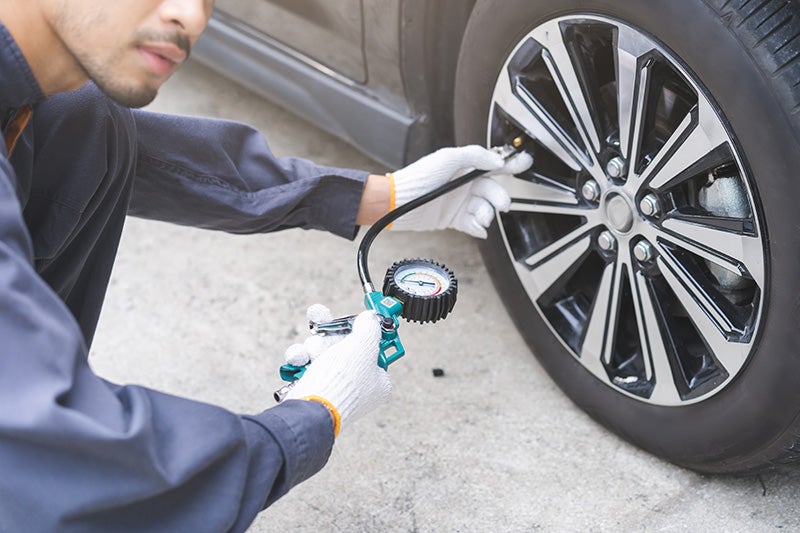
Winter Maintenance for Your Chevrolet: A Few Checks Before the Cold Arrives Winter in Anniston, AL, isn't exactly an expedition across the Arctic Circle, but your Chevrolet doesn't know that. It simply knows the temperature has dropped, which changes how batteries, tires, fluids, and various bits of rubber and metal behave. A vehicle that seemed perfectly content in October can suddenly become less cooperative on a cold morning. Fortunately, winter preparation doesn't require dismantling the car in the driveway. A few sensible maintenance checks can identify developing problems before the colder months give them an opportunity to become inconvenient ones. Start With the Battery, Because Everything Else Needs It Cold weather is particularly good at exposing a tired battery. One that's been starting your Chevrolet without complaint during warmer weather may struggle once temperatures fall. That's why battery testing is a useful part of seasonal maintenance, especially if you've noticed slower starting or the battery has already been in service for several years. A Chevrolet Certified Service battery inspection can check its condition before you discover the problem by turning the key, or pressing the button, and receiving precisely nothing useful in return. It's a small bit of preparation that can prevent a considerably more annoying morning. Coolant Has to Deal with Both Ends of the Thermometer Antifreeze isn't simply something your Chevrolet needs when it's freezing outside. The cooling system also has to regulate engine temperature once everything is running, making coolant condition and concentration important throughout the year. Before winter, a cooling-system inspection can check coolant level and condition and identify signs that further service may be required. If coolant maintenance is due, taking care of it before temperatures fall makes rather more sense than discovering a cooling-system problem after they've already fallen. Your Tires Notice the Temperature Too Tire pressure changes as temperatures change, which makes regular pressure checks particularly useful heading into winter. Tread condition deserves attention at the same time. Tires are, after all, the only parts of your Chevrolet permanently tasked with keeping several thousand pounds of vehicle attached to the road, so giving them an occasional inspection seems reasonable. A tire inspection, tire rotation, or other tire service can address wear and maintenance needs before holiday trips or colder weather. If wear appears uneven, technicians can also determine if the vehicle needs further inspection. Don't Forget the Things That Help You Stop and See Brakes and visibility equipment aren't particularly exciting until you desperately need either of them. Inspect wiper blades for cracking, deterioration, or streaking and make sure the washer system is working properly. Exterior lights deserve a check as shorter winter days mean more driving after sunset. Brake inspections are equally sensible before seasonal travel, particularly if you've noticed noise, vibration, or a change in braking behavior. A Multi-Point Vehicle Inspection can combine several of these checks during one service visit rather than requiring you to conduct your own increasingly suspicious tour around the vehicle. Skipping Maintenance Usually Just Postpones the Bill A weak battery can become a no-start. A cooling-system problem can become a much larger repair. Worn tires and neglected brakes can affect how the vehicle responds when conditions deteriorate. Even tired wiper blades can become surprisingly important during heavy rain. Routine maintenance can't prevent every mechanical problem, obviously, but it can catch many developing issues while they're still relatively straightforward to address. Checking your Chevrolet maintenance schedule before winter is considerably preferable to letting the vehicle choose the maintenance schedule for you. Give Your Chevrolet a Winter Check Before It Needs One Cooper Chevrolet can help Anniston, AL, drivers prepare for colder weather with battery testing, cooling-system inspections, tire service, brake inspections, routine maintenance, and Multi-Point Vehicle Inspections. If your Chevrolet is already due for an oil change or other scheduled maintenance, winter preparation is also a useful opportunity to handle several service needs during the same visit and review available service specials. Get the routine jobs handled before colder weather finds the weak spot, and schedule your winter maintenance appointment online with us today.
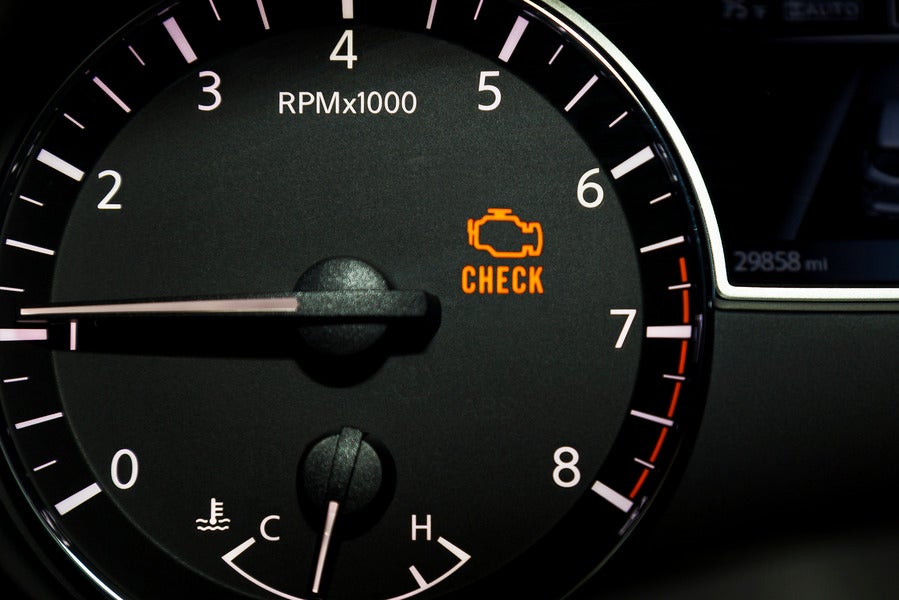
Check Engine Light On? Here's What to Do
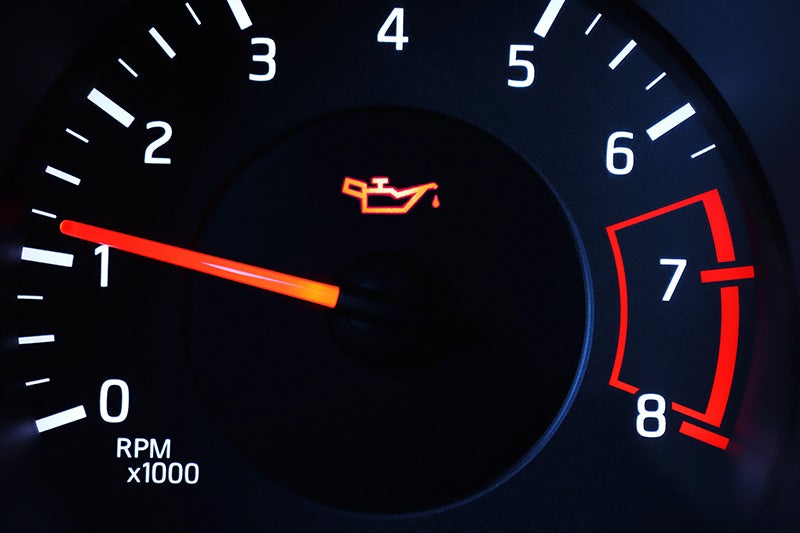
Check Engine Light On? Here's What Your Chevy Is Trying to Tell You There are warning lights you understand immediately. Low fuel? Easy enough. Seat belt? You know what to do. Then there's the check engine light, which illuminates a little engine-shaped symbol and leaves you wondering if you've got a loose gas cap or an engine preparing to ruin your afternoon. The truth is that the light can indicate a wide range of problems, which is why drivers around Anniston, AL, shouldn't panic when it appears—but shouldn't pretend they didn't see it, either. First, Look at What the Light Is Doing The check engine light typically appears as an engine-shaped symbol on the instrument cluster, although some vehicles may display accompanying text. More important than the shape is how the warning behaves. A light that remains steadily illuminated generally means the vehicle's onboard diagnostic system has detected a fault that needs attention. A flashing check engine light is more urgent and can indicate a severe problem, including an engine misfire capable of damaging the catalytic converter. That's one of those situations where the vehicle isn't asking you to check something next month. It's telling you to deal with the problem promptly. A Steady Light Doesn't Automatically Mean an Expensive Repair The check engine light can be triggered by problems ranging from a loose or improperly sealed fuel cap to faults involving oxygen sensors, emissions equipment, ignition components, or other engine-management systems. If the light is steady and the vehicle otherwise feels normal, you generally have time to arrange an inspection instead of immediately calling a tow truck. Still, ignoring the warning isn't a good plan. The vehicle stores diagnostic trouble codes that can help a technician identify which system detected the problem, and reading those codes is a much better diagnostic strategy than replacing parts based on a dashboard symbol and a hunch. A Flashing Light Changes the Conversation If the check engine light begins flashing, take it seriously. A severe misfire can allow unburned fuel to enter the exhaust system, potentially overheating and damaging the catalytic converter. Reduce your speed and engine load, find a safe place to stop, and arrange professional assistance. Pay attention to what the vehicle is doing at the same time. Rough running, shaking, unusual noises, significant power loss, smoke, strange odors, or rapidly rising engine temperature all provide additional reasons to stop driving. Continuing because the truck technically still moves can turn one mechanical problem into several, which is an impressively expensive way to save a little time. So, Do You Need a Tow Truck? Not every illuminated check engine light requires towing. If the light remains steady, the vehicle is running normally, engine temperature is normal, and there are no unusual sounds, smells, or major changes in performance, you can generally arrange to have the vehicle inspected promptly. Towing becomes the safer option when the warning is flashing or the vehicle is stalling, overheating, losing substantial power, producing smoke or burning odors, or behaving in a way that makes continued driving unsafe. If you're uncertain about the severity of the problem, contacting a qualified service professional before continuing the trip is preferable to gambling with an engine or catalytic converter. Don't Diagnose a Chevy by Dashboard Light Alone The check engine light is a warning, not a diagnosis. It tells you that the vehicle has detected a problem, but identifying the cause requires more information. Drivers around Anniston, AL, can bring their Chevrolet to the Certified Service team at Cooper Chevrolet for diagnostic testing and repairs. If your check engine light has appeared, schedule a service appointment online so a technician can retrieve the diagnostic codes, inspect the affected systems, and determine what your Chevy is trying to tell you.