





Did you know there’s a lot more to your car’s tires and wheels than just spinning to make your vehicle move? It’s actually a complex system that works together, and understanding how your tires and wheels work together can help you catch problems early, maintain your vehicle properly, and make smarter decisions at the service counter. This FAQ breaks everything down in plain language for drivers in Anniston, Alabama.
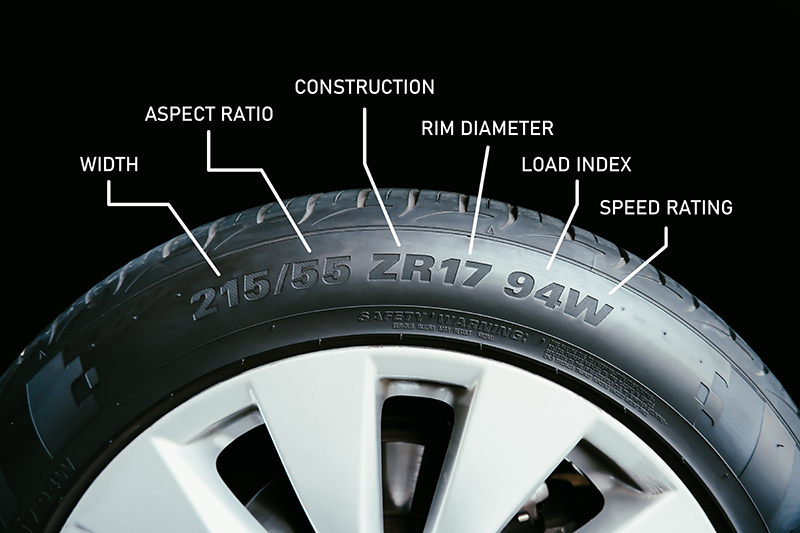
What Are the Main Parts of a Wheel?
A wheel is made up of several distinct components, and each one plays a role in keeping your vehicle safe and running smoothly.
The rim is the outer circular edge of the wheel that holds the tire in place. The spokes connect the rim to the center and give the wheel its structural integrity – they also contribute heavily to the visual style of the wheel. The hub sits at the center and is where the wheel bolts onto the axle. Lug nuts (or lug bolts on some vehicles) fasten the wheel to the hub. They should always be torqued to the manufacturer’s specification – over- or under-tightening can cause warping or wheel separation.
What Are the Main Parts of a Tire?
Tires are more complex than they look from the outside.
The tread is the outermost rubber layer that contacts the road. It’s designed with grooves and sipes (the thin lines cut into the tread blocks) to channel water away and improve grip. Beneath the tread sits the belt layer, typically made of steel, which adds rigidity and puncture resistance. The sidewall is the vertical section of the tire between the tread and the rim, and it protects the internal structure from curbs and road debris. The bead is the reinforced inner edge of the tire that locks onto the rim to create an airtight seal – if this seal fails, you’ll lose air pressure fast.
The inner liner replaces the old tube design and holds pressurized air inside the tire. Finally, the valve stem is the small rubber or metal protrusion through which you add or release air. Over time, rubber valve stems can crack and leak, so they’re worth replacing when you mount new tires.
How Do These Parts Work Together?
When you drive, your wheels and tires work as a system to support the vehicle’s weight, absorb road impact, transmit engine power, and allow steering. The hub connects everything to the drivetrain, the lug nuts hold the wheel securely, and the tire’s bead-to-rim seal keeps your air pressure consistent. If any part of this system fails, you can lose control or cause uneven wear on other components.
What Can Go Wrong With Tires and Wheels?
There’s a wide range of issues that can develop over time.
Tires can develop uneven tread wear from misalignment, improper inflation, or worn suspension components. A bulge or bubble in the sidewall usually means internal damage and is a safety risk that requires immediate attention. Cracked sidewalls can develop from age or UV exposure, even if the tread looks fine.
On the wheel side, bent rims from pothole impacts can make it impossible to maintain proper air pressure and affect steering feel. Corroded or damaged lug nuts can strip or seize, making tire changes difficult and potentially dangerous. A leaking valve stem is easy to overlook but can cause slow air loss that leads to underinflation.
What Kind of Maintenance Do Tires and Wheels Need?
Tire rotation should happen every 5,000 to 7,500 miles to promote even tread wear. Wheel balancing corrects weight distribution and prevents vibration at highway speeds. Alignment checks keep your steering correct and prevent premature tire wear. Check tire pressure at least once a month – including the spare. Inspect lug nut torque after any tire service and have your valve stems inspected whenever you buy new tires.
Visit Cooper Chevrolet for Expert Tire and Wheel Service
Understanding your wheels and tires is a great first step – but regular professional inspections make all the difference. This FAQ covers the basics, but every vehicle is different. Drivers throughout Anniston, Alabama can count on the certified technicians at Cooper Chevrolet to keep every part of their wheels and tires in top condition. Stop by or schedule a service appointment online today.
Connect with us


- August 2026
- July 2026
- June 2026
- May 2026
- April 2026
- March 2026
- October 2025
- July 2025
- March 2025
- February 2025
- October 2024
- June 2024
- May 2024
- March 2024
- February 2024
- January 2024
- December 2023
- September 2023
- August 2023
- May 2023
- April 2023
- January 2023
- July 2022
- June 2022
- May 2022
- April 2022
- March 2022
- February 2022
- January 2022
- December 2021
- November 2021
- September 2021
- August 2021
- July 2021
- June 2021
- May 2021
- April 2021
- March 2021
- February 2021
- December 2020
- November 2020