





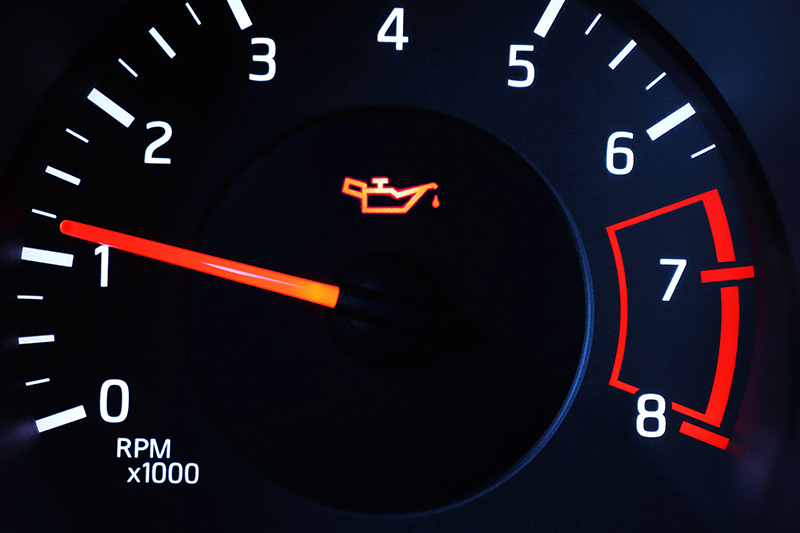
There are dashboard lights you can negotiate with. The low washer fluid light? Fine. You can probably survive another day. A reminder that your favorite radio station is no longer available? Tragic, but manageable. The oil warning light is different. When that little oil can icon appears on your dashboard, your vehicle is essentially saying, “We need to talk. Right now.” And unlike many conversations in life, ignoring this one can become extremely expensive.
The First Thing to Do Is Stop Pretending It’s Nothing
The moment the oil light comes on, your priority is finding a safe place to pull over. Not after the next exit. Not after you finish this song. Not after you stop for coffee. As soon as it is safe, pull over and switch off the engine.
Why the urgency? Because the oil warning light often indicates low oil pressure, which means the engine may not be receiving the lubrication it needs. Inside your engine are dozens of metal components moving at astonishing speeds. They depend on a thin layer of oil to keep them separated. Without that protection, things become expensive remarkably quickly.
Check the Oil Level Before Doing Anything Else
Once the engine has had a few minutes to settle, check the oil level using the dipstick. If the oil level is low, adding the correct oil may bring it back into the safe operating range. That can sometimes allow you to reach a service facility without further drama.
However, adding oil addresses the symptom, not the cause. Oil does not simply vanish. If the level is low, there is usually a reason. The vehicle may be consuming oil, leaking it, or simply overdue for maintenance. In any case, the vehicle should be inspected as soon as possible.
Sometimes the Problem Is More Serious
Here is the part most drivers do not enjoy hearing. If the oil level appears normal and the warning light remains illuminated, the issue may involve oil pressure itself rather than oil quantity. That is significantly more concerning.
A failed oil pump, a blocked passage, or another lubrication system issue can prevent oil from circulating properly through the engine. In those situations, driving the vehicle further is a bit like continuing a marathon with one shoe missing. Technically possible, perhaps, but not a strategy likely to end well.
If the light stays on with a normal oil level, professional diagnosis is the next step. A tow truck is considerably cheaper than an engine replacement.
What Causes the Oil Light to Come On?
The most common cause is low oil level. It is also possible that the oil has become old and degraded, reducing its ability to perform properly. A faulty oil pressure sensor can occasionally trigger the warning light even when everything else is functioning normally.
Then there are the more serious possibilities, including oil pump failure or internal engine issues affecting pressure throughout the lubrication system. The challenge is that the warning light itself does not tell you which one it is. It simply tells you that something requires immediate attention.
Regular Oil Changes Prevent Most of This Drama
The good news is that many oil-related problems are entirely preventable. Routine oil changes help maintain proper lubrication, support engine longevity, and reduce the likelihood of sludge buildup or pressure-related concerns. Modern Chevrolet engines are engineered for durability, but they still depend on clean oil to do their job properly. It remains one of the simplest maintenance services you can perform and one of the most important.
Don’t Ignore the Warning
The oil light is not a suggestion. It is not a reminder. It is not your vehicle politely asking for attention at some convenient point in the future. It is a warning.
Drivers throughout Anniston, AL can rely on the service team at Cooper Chevrolet for oil system inspections, oil changes, and diagnostic services designed to identify problems before they become major repairs. If your oil warning light has appeared, schedule service as soon as possible and let trained technicians determine exactly what your vehicle is trying to tell you.
Connect with us


- August 2026
- July 2026
- June 2026
- May 2026
- April 2026
- March 2026
- October 2025
- July 2025
- March 2025
- February 2025
- October 2024
- June 2024
- May 2024
- March 2024
- February 2024
- January 2024
- December 2023
- September 2023
- August 2023
- May 2023
- April 2023
- January 2023
- July 2022
- June 2022
- May 2022
- April 2022
- March 2022
- February 2022
- January 2022
- December 2021
- November 2021
- September 2021
- August 2021
- July 2021
- June 2021
- May 2021
- April 2021
- March 2021
- February 2021
- December 2020
- November 2020