





Tires and wheels are one of the most important systems on any vehicle, and they require regular maintenance to ensure safe operation. Drivers at Anniston Ford in Anniston, AL should understand how these components function to maintain vehicle performance. This guide provides factual information regarding tire parts, wheel assembly, and common maintenance needs. You should contact our service department to discuss any specific concerns regarding your vehicle.
What Are the Main Parts of a Tire?
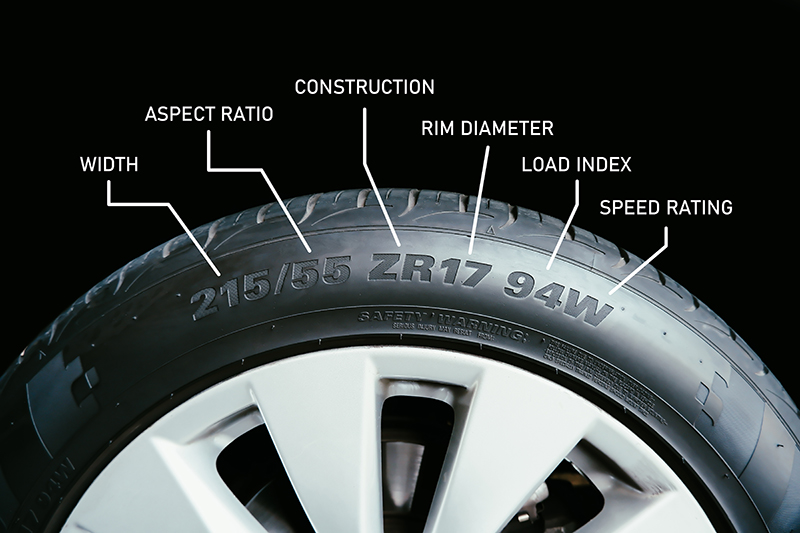
A tire is a complex assembly that consists of several layers, and each part serves a specific purpose for vehicle safety. The tread is the outermost layer that makes contact with the road, and it uses grooves to move water away for better grip. The sidewall protects the internal structure from damage, and it contains printed data like the tire size and load rating.
The bead is a steel-reinforced edge that locks the tire to the rim, and it creates an airtight seal to prevent leaks. Inside the tire, the inner liner holds the compressed air and replaces the need for an inner tube. The body ply and belt package provide the structural strength, and these layers help the tire maintain its shape during operation.
What Are the Main Parts of Wheels?
The wheel assembly includes the rim, which is the metal edge where the tire bead sits. The barrel is the cylindrical section that determines the total width of the wheel. The hub serves as the central mounting point for the axle, and it contains the wheel bearing that allows for smooth rotation.
Spokes or a solid disc connect the hub to the rim for structural support. Lug nuts are fasteners used to secure the wheel to the hub studs, and they must be tightened to the correct torque. The valve stem is a small fitting used for inflation, and it often contains sensors for the tire pressure monitoring system®.
How Does Tire Pressure Work?
Proper tire pressure ensures the tire footprint is the correct size for handling. Most passenger vehicles require between 30 and 35 PSI, and the specific value is listed on a sticker inside the driver side door jamb. Temperature changes in Anniston, AL can cause pressure to shift by 1 PSI for every 10-degree change in Fahrenheit. Underinflated tires generate excess heat, while overinflated tires wear out in the center of the tread.
What are Common Problems with Tires and Wheels?
Tires can experience punctures from nails or screws, and these often require professional repair if the damage is in the tread area. Uneven tread wear may indicate problems with alignment or improper inflation. Sidewall bubbles occur when the inner structure is damaged, and a tire with this type of damage is unsafe to drive. Wheels can become bent or cracked from hitting potholes, and these issues may cause vibrations at high speeds.
What Maintenance Should be Scheduled for Tires and Wheels?
Tire rotation should occur every 5000 to 7500 miles to ensure even wear across all 4 tires. Wheel alignment should be checked 1 time per year to prevent the vehicle from pulling to 1 side. Technicians perform wheel balancing to correct weight distribution, and they use small weights to stop steering wheel vibrations. Tread depth should be measured regularly using a gauge to ensure safety on wet roads. If the tread is at or below 2/32″, the tire must be replaced for safety.
Keeping your tires and wheels in good condition helps support safer handling, smoother driving, and longer tire life. If you notice uneven tread wear, low tire pressure, vibration, or possible wheel damage, schedule tire and wheel maintenance with Cooper Chevrolet. Our service team can inspect your tires, check alignment and balance, review tread depth, and help you understand the next steps for your vehicle.
Connect with us


- August 2026
- July 2026
- June 2026
- May 2026
- April 2026
- March 2026
- October 2025
- July 2025
- March 2025
- February 2025
- October 2024
- June 2024
- May 2024
- March 2024
- February 2024
- January 2024
- December 2023
- September 2023
- August 2023
- May 2023
- April 2023
- January 2023
- July 2022
- June 2022
- May 2022
- April 2022
- March 2022
- February 2022
- January 2022
- December 2021
- November 2021
- September 2021
- August 2021
- July 2021
- June 2021
- May 2021
- April 2021
- March 2021
- February 2021
- December 2020
- November 2020