




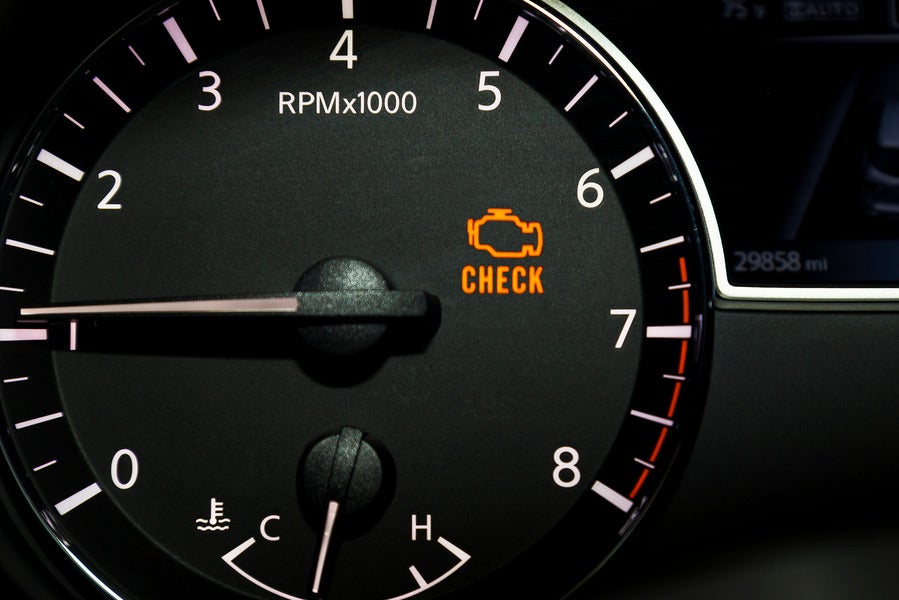
Check Engine Light On? Here's What Your Chevy Is Trying to Tell You There are warning lights you understand immediately. Low fuel? Easy enough. Seat belt? You know what to do. Then there's the check engine light, which illuminates a little engine-shaped symbol and leaves you wondering if you've got a loose gas cap or an engine preparing to ruin your afternoon. The truth is that the light can indicate a wide range of problems, which is why drivers around Anniston, AL, shouldn't panic when it appears—but shouldn't pretend they didn't see it, either. First, Look at What the Light Is Doing The check engine light typically appears as an engine-shaped symbol on the instrument cluster, although some vehicles may display accompanying text. More important than the shape is how the warning behaves. A light that remains steadily illuminated generally means the vehicle's onboard diagnostic system has detected a fault that needs attention. A flashing check engine light is more urgent and can indicate a severe problem, including an engine misfire capable of damaging the catalytic converter. That's one of those situations where the vehicle isn't asking you to check something next month. It's telling you to deal with the problem promptly. A Steady Light Doesn't Automatically Mean an Expensive Repair The check engine light can be triggered by problems ranging from a loose or improperly sealed fuel cap to faults involving oxygen sensors, emissions equipment, ignition components, or other engine-management systems. If the light is steady and the vehicle otherwise feels normal, you generally have time to arrange an inspection instead of immediately calling a tow truck. Still, ignoring the warning isn't a good plan. The vehicle stores diagnostic trouble codes that can help a technician identify which system detected the problem, and reading those codes is a much better diagnostic strategy than replacing parts based on a dashboard symbol and a hunch. A Flashing Light Changes the Conversation If the check engine light begins flashing, take it seriously. A severe misfire can allow unburned fuel to enter the exhaust system, potentially overheating and damaging the catalytic converter. Reduce your speed and engine load, find a safe place to stop, and arrange professional assistance. Pay attention to what the vehicle is doing at the same time. Rough running, shaking, unusual noises, significant power loss, smoke, strange odors, or rapidly rising engine temperature all provide additional reasons to stop driving. Continuing because the truck technically still moves can turn one mechanical problem into several, which is an impressively expensive way to save a little time. So, Do You Need a Tow Truck? Not every illuminated check engine light requires towing. If the light remains steady, the vehicle is running normally, engine temperature is normal, and there are no unusual sounds, smells, or major changes in performance, you can generally arrange to have the vehicle inspected promptly. Towing becomes the safer option when the warning is flashing or the vehicle is stalling, overheating, losing substantial power, producing smoke or burning odors, or behaving in a way that makes continued driving unsafe. If you're uncertain about the severity of the problem, contacting a qualified service professional before continuing the trip is preferable to gambling with an engine or catalytic converter. Don't Diagnose a Chevy by Dashboard Light Alone The check engine light is a warning, not a diagnosis. It tells you that the vehicle has detected a problem, but identifying the cause requires more information. Drivers around Anniston, AL, can bring their Chevrolet to the Certified Service team at Cooper Chevrolet for diagnostic testing and repairs. If your check engine light has appeared, schedule a service appointment online so a technician can retrieve the diagnostic codes, inspect the affected systems, and determine what your Chevy is trying to tell you.
Best Chevrolet Models for Daily Commuting in Anniston, AL
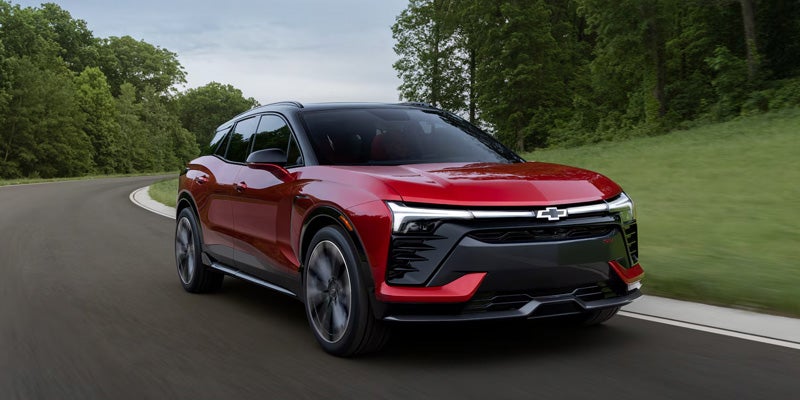
If you spend a good chunk of your week behind the wheel navigating roads in and around Anniston, AL, finding the right vehicle can make all the difference. Whether your commute is a quick 10-minute drive or a longer stretch on the highway, Chevrolet offers a strong lineup of dependable, comfortable, and efficient options worth considering. Here is a look at some of the best Chevrolet models for daily commuting and what makes each one stand out. The 2026 Chevrolet Trax - Compact and Budget-Friendly The 2026 Trax is one of the most accessible Chevrolet commuter vehicles on the market today. It is a compact SUV that is easy to maneuver in traffic and simple to park in tighter spaces. The Trax is a smart choice if you want a no-fuss daily driver that does not stretch your budget. Its upright seating position gives you a clear view of the road, and the interior offers a comfortable environment for back-to-back commutes throughout the week. The 2026 Chevrolet Trailblazer - Style Meets Efficiency For drivers who want a little more style without giving up practicality, the 2026 Trailblazer is a standout pick among Chevrolet commuter vehicles. It sits between the Trax and Equinox in size, offering a well-balanced mix of cargo room, passenger comfort, and a sharp exterior design. The Trailblazer is refined enough for daily use while still feeling spirited enough to keep your drive enjoyable. It is a popular choice for those who want something that feels a step above a basic commuter. The 2027 Chevrolet Equinox - Everyday Comfort at Its Best The 2027 Equinox is one of the best Chevrolet models for daily commuting if comfort is your top priority. It features a roomy cabin, user-friendly technology, and a smooth ride that takes the edge off longer drives. Whether you are running errands around Anniston or heading out for a longer trip on the weekends, the Equinox handles it all with ease. It is a well-rounded family favorite that consistently earns high marks for everyday usability. The 2026 Chevrolet Equinox EV - Go Electric on Your Commute If you are open to making the switch to an electric vehicle, the 2026 Equinox EV brings the same comfortable SUV experience with zero tailpipe emissions. It is one of the more affordable electric options in the Chevy lineup and is an excellent fit for drivers with predictable daily routines. Charging at home overnight makes it easy to start every morning with a full charge. For commuters looking to reduce fuel costs over time, the Equinox EV is a smart long-term investment. The 2026 Chevrolet Silverado - When You Need More From Your Daily Drive Not every commuter is looking for a small SUV. If you haul tools, equipment, or need a vehicle that can handle weekday work demands and weekend adventures, the 2026 Silverado delivers the best Chevrolet models for daily commuting experience in a full-size truck package. It offers a commanding ride height, strong capability, and a comfortable cab that makes longer drives feel far less tiring. The Silverado proves that a capable truck can also be a genuinely enjoyable everyday vehicle. Visit Cooper Chevrolet to Find Your Perfect Match No matter your commute style or budget, Cooper Chevrolet has the right fit for drivers throughout Anniston, AL. From compact SUVs to electric vehicles, the Chevrolet lineup is built to make your daily drive easier and more enjoyable. Stop by or browse our website to explore available inventory and find the best Chevrolet models for daily commuting that works for your lifestyle.