




Blog / Service

Check Engine Light On? Here's What to Do 

Check Engine Light On? Here's What Your Chevy Is Trying to Tell You

Check Engine Light On? Here's What Your Chevy Is Trying to Tell You 

There are warning lights you understand immediately. Low fuel? Easy enough. Seat belt? You know what to do. Then there's the check engine light, which illuminates a little engine-shaped symbol and leaves you wondering if you've got a loose gas cap or an engine preparing to ruin your afternoon. The truth is that the light can indicate a wide range of problems, which is why drivers around Anniston, AL, shouldn't panic when it appears—but shouldn't pretend they didn't see it, either. 

First, Look at What the Light Is Doing 

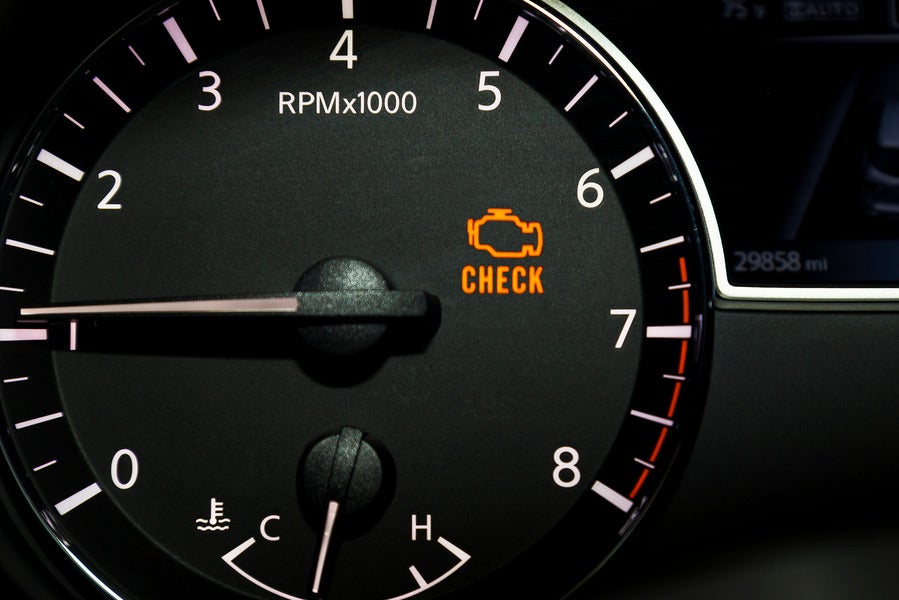
The check engine light typically appears as an engine-shaped symbol on the instrument cluster, although some vehicles may display accompanying text. More important than the shape is how the warning behaves. A light that remains steadily illuminated generally means the vehicle's onboard diagnostic system has detected a fault that needs attention. A flashing check engine light is more urgent and can indicate a severe problem, including an engine misfire capable of damaging the catalytic converter. That's one of those situations where the vehicle isn't asking you to check something next month. It's telling you to deal with the problem promptly. 

A Steady Light Doesn't Automatically Mean an Expensive Repair 

The check engine light can be triggered by problems ranging from a loose or improperly sealed fuel cap to faults involving oxygen sensors, emissions equipment, ignition components, or other engine-management systems. If the light is steady and the vehicle otherwise feels normal, you generally have time to arrange an inspection instead of immediately calling a tow truck. Still, ignoring the warning isn't a good plan. The vehicle stores diagnostic trouble codes that can help a technician identify which system detected the problem, and reading those codes is a much better diagnostic strategy than replacing parts based on a dashboard symbol and a hunch. 

A Flashing Light Changes the Conversation 

If the check engine light begins flashing, take it seriously. A severe misfire can allow unburned fuel to enter the exhaust system, potentially overheating and damaging the catalytic converter. Reduce your speed and engine load, find a safe place to stop, and arrange professional assistance. Pay attention to what the vehicle is doing at the same time. Rough running, shaking, unusual noises, significant power loss, smoke, strange odors, or rapidly rising engine temperature all provide additional reasons to stop driving. Continuing because the truck technically still moves can turn one mechanical problem into several, which is an impressively expensive way to save a little time. 

So, Do You Need a Tow Truck? 

Not every illuminated check engine light requires towing. If the light remains steady, the vehicle is running normally, engine temperature is normal, and there are no unusual sounds, smells, or major changes in performance, you can generally arrange to have the vehicle inspected promptly. Towing becomes the safer option when the warning is flashing or the vehicle is stalling, overheating, losing substantial power, producing smoke or burning odors, or behaving in a way that makes continued driving unsafe. If you're uncertain about the severity of the problem, contacting a qualified service professional before continuing the trip is preferable to gambling with an engine or catalytic converter. 

Don't Diagnose a Chevy by Dashboard Light Alone 

The check engine light is a warning, not a diagnosis. It tells you that the vehicle has detected a problem, but identifying the cause requires more information. Drivers around Anniston, AL, can bring their Chevrolet to the Certified Service team at Cooper Chevrolet for diagnostic testing and repairs. If your check engine light has appeared, schedule a service appointment online so a technician can retrieve the diagnostic codes, inspect the affected systems, and determine what your Chevy is trying to tell you. 
Posted in:

Related Posts

Winter Maintenance for Your Chevrolet: A Few Checks Before the Cold Arrives

Winter Maintenance Tips for Your Chevy Vehicle

Winter Maintenance for Your Chevrolet: A Few Checks Before the Cold Arrives Winter in Anniston, AL, isn't exactly an expedition across the Arctic Circle, but your Chevrolet doesn't know that. It simply knows the temperature has dropped, which changes how batteries, tires, fluids, and various bits of rubber and metal behave. A vehicle that seemed perfectly content in October can suddenly become less cooperative on a cold morning. Fortunately, winter preparation doesn't require dismantling the car in the driveway. A few sensible maintenance checks can identify developing problems before the colder months give them an opportunity to become inconvenient ones. Start With the Battery, Because Everything Else Needs It Cold weather is particularly good at exposing a tired battery. One that's been starting your Chevrolet without complaint during warmer weather may struggle once temperatures fall. That's why battery testing is a useful part of seasonal maintenance, especially if you've noticed slower starting or the battery has already been in service for several years. A Chevrolet Certified Service battery inspection can check its condition before you discover the problem by turning the key, or pressing the button, and receiving precisely nothing useful in return. It's a small bit of preparation that can prevent a considerably more annoying morning. Coolant Has to Deal with Both Ends of the Thermometer Antifreeze isn't simply something your Chevrolet needs when it's freezing outside. The cooling system also has to regulate engine temperature once everything is running, making coolant condition and concentration important throughout the year. Before winter, a cooling-system inspection can check coolant level and condition and identify signs that further service may be required. If coolant maintenance is due, taking care of it before temperatures fall makes rather more sense than discovering a cooling-system problem after they've already fallen. Your Tires Notice the Temperature Too Tire pressure changes as temperatures change, which makes regular pressure checks particularly useful heading into winter. Tread condition deserves attention at the same time. Tires are, after all, the only parts of your Chevrolet permanently tasked with keeping several thousand pounds of vehicle attached to the road, so giving them an occasional inspection seems reasonable. A tire inspection, tire rotation, or other tire service can address wear and maintenance needs before holiday trips or colder weather. If wear appears uneven, technicians can also determine if the vehicle needs further inspection. Don't Forget the Things That Help You Stop and See Brakes and visibility equipment aren't particularly exciting until you desperately need either of them. Inspect wiper blades for cracking, deterioration, or streaking and make sure the washer system is working properly. Exterior lights deserve a check as shorter winter days mean more driving after sunset. Brake inspections are equally sensible before seasonal travel, particularly if you've noticed noise, vibration, or a change in braking behavior. A Multi-Point Vehicle Inspection can combine several of these checks during one service visit rather than requiring you to conduct your own increasingly suspicious tour around the vehicle. Skipping Maintenance Usually Just Postpones the Bill A weak battery can become a no-start. A cooling-system problem can become a much larger repair. Worn tires and neglected brakes can affect how the vehicle responds when conditions deteriorate. Even tired wiper blades can become surprisingly important during heavy rain. Routine maintenance can't prevent every mechanical problem, obviously, but it can catch many developing issues while they're still relatively straightforward to address. Checking your Chevrolet maintenance schedule before winter is considerably preferable to letting the vehicle choose the maintenance schedule for you. Give Your Chevrolet a Winter Check Before It Needs One Cooper Chevrolet can help Anniston, AL, drivers prepare for colder weather with battery testing, cooling-system inspections, tire service, brake inspections, routine maintenance, and Multi-Point Vehicle Inspections. If your Chevrolet is already due for an oil change or other scheduled maintenance, winter preparation is also a useful opportunity to handle several service needs during the same visit and review available service specials. Get the routine jobs handled before colder weather finds the weak spot, and schedule your winter maintenance appointment online with us today.

Your Complete Car Tires and Wheels FAQ: Parts, Maintenance, and More

Your Complete Car Tires and Wheels FAQ: Parts, Maintenance, and More

Did you know there's a lot more to your car's tires and wheels than just spinning to make your vehicle move? It's actually a complex system that works together, and understanding how your tires and wheels work together can help you catch problems early, maintain your vehicle properly, and make smarter decisions at the service counter. This FAQ breaks everything down in plain language for drivers in Anniston, Alabama. Tire sidewall marking , numbers and letters on tire meaning of car tire isolated on white background , Car tire concept; Shutterstock ID 2243054247; purchase_order: 27223; client: DealerOn What Are the Main Parts of a Wheel? A wheel is made up of several distinct components, and each one plays a role in keeping your vehicle safe and running smoothly. The rim is the outer circular edge of the wheel that holds the tire in place. The spokes connect the rim to the center and give the wheel its structural integrity - they also contribute heavily to the visual style of the wheel. The hub sits at the center and is where the wheel bolts onto the axle. Lug nuts (or lug bolts on some vehicles) fasten the wheel to the hub. They should always be torqued to the manufacturer's specification - over- or under-tightening can cause warping or wheel separation. more What Are the Main Parts of a Tire? Tires are more complex than they look from the outside. The tread is the outermost rubber layer that contacts the road. It's designed with grooves and sipes (the thin lines cut into the tread blocks) to channel water away and improve grip. Beneath the tread sits the belt layer, typically made of steel, which adds rigidity and puncture resistance. The sidewall is the vertical section of the tire between the tread and the rim, and it protects the internal structure from curbs and road debris. The bead is the reinforced inner edge of the tire that locks onto the rim to create an airtight seal - if this seal fails, you'll lose air pressure fast. The inner liner replaces the old tube design and holds pressurized air inside the tire. Finally, the valve stem is the small rubber or metal protrusion through which you add or release air. Over time, rubber valve stems can crack and leak, so they're worth replacing when you mount new tires. How Do These Parts Work Together? When you drive, your wheels and tires work as a system to support the vehicle's weight, absorb road impact, transmit engine power, and allow steering. The hub connects everything to the drivetrain, the lug nuts hold the wheel securely, and the tire's bead-to-rim seal keeps your air pressure consistent. If any part of this system fails, you can lose control or cause uneven wear on other components. What Can Go Wrong With Tires and Wheels? There's a wide range of issues that can develop over time. Tires can develop uneven tread wear from misalignment, improper inflation, or worn suspension components. A bulge or bubble in the sidewall usually means internal damage and is a safety risk that requires immediate attention. Cracked sidewalls can develop from age or UV exposure, even if the tread looks fine. On the wheel side, bent rims from pothole impacts can make it impossible to maintain proper air pressure and affect steering feel. Corroded or damaged lug nuts can strip or seize, making tire changes difficult and potentially dangerous. A leaking valve stem is easy to overlook but can cause slow air loss that leads to underinflation. What Kind of Maintenance Do Tires and Wheels Need? Tire rotation should happen every 5,000 to 7,500 miles to promote even tread wear. Wheel balancing corrects weight distribution and prevents vibration at highway speeds. Alignment checks keep your steering correct and prevent premature tire wear. Check tire pressure at least once a month - including the spare. Inspect lug nut torque after any tire service and have your valve stems inspected whenever you buy new tires. Visit Cooper Chevrolet for Expert Tire and Wheel Service Understanding your wheels and tires is a great first step - but regular professional inspections make all the difference. This FAQ covers the basics, but every vehicle is different. Drivers throughout Anniston, Alabama can count on the certified technicians at Cooper Chevrolet to keep every part of their wheels and tires in top condition. Stop by or schedule a service appointment online today.

Tire and Wheel FAQ: A Complete Guide to Tires and Wheels 

Tire and Wheel FAQ: A Complete Guide to Tires and Wheels

Tires and wheels are one of the most important systems on any vehicle, and they require regular maintenance to ensure safe operation. Drivers at Anniston Ford in Anniston, AL should understand how these components function to maintain vehicle performance. This guide provides factual information regarding tire parts, wheel assembly, and common maintenance needs. You should contact our service department to discuss any specific concerns regarding your vehicle. What Are the Main Parts of a Tire? A tire is a complex assembly that consists of several layers, and each part serves a specific purpose for vehicle safety. The tread is the outermost layer that makes contact with the road, and it uses grooves to move water away for better grip. The sidewall protects the internal structure from damage, and it contains printed data like the tire size and load rating. The bead is a steel-reinforced edge that locks the tire to the rim, and it creates an airtight seal to prevent leaks. Inside the tire, the inner liner holds the compressed air and replaces the need for an inner tube. The body ply and belt package provide the structural strength, and these layers help the tire maintain its shape during operation. What Are the Main Parts of Wheels? The wheel assembly includes the rim, which is the metal edge where the tire bead sits. The barrel is the cylindrical section that determines the total width of the wheel. The hub serves as the central mounting point for the axle, and it contains the wheel bearing that allows for smooth rotation. Spokes or a solid disc connect the hub to the rim for structural support. Lug nuts are fasteners used to secure the wheel to the hub studs, and they must be tightened to the correct torque. The valve stem is a small fitting used for inflation, and it often contains sensors for the tire pressure monitoring system®. How Does Tire Pressure Work? Proper tire pressure ensures the tire footprint is the correct size for handling. Most passenger vehicles require between 30 and 35 PSI, and the specific value is listed on a sticker inside the driver side door jamb. Temperature changes in Anniston, AL can cause pressure to shift by 1 PSI for every 10-degree change in Fahrenheit. Underinflated tires generate excess heat, while overinflated tires wear out in the center of the tread. What are Common Problems with Tires and Wheels? Tires can experience punctures from nails or screws, and these often require professional repair if the damage is in the tread area. Uneven tread wear may indicate problems with alignment or improper inflation. Sidewall bubbles occur when the inner structure is damaged, and a tire with this type of damage is unsafe to drive. Wheels can become bent or cracked from hitting potholes, and these issues may cause vibrations at high speeds. What Maintenance Should be Scheduled for Tires and Wheels? Tire rotation should occur every 5000 to 7500 miles to ensure even wear across all 4 tires. Wheel alignment should be checked 1 time per year to prevent the vehicle from pulling to 1 side. Technicians perform wheel balancing to correct weight distribution, and they use small weights to stop steering wheel vibrations. Tread depth should be measured regularly using a gauge to ensure safety on wet roads. If the tread is at or below 2/32", the tire must be replaced for safety. Keeping your tires and wheels in good condition helps support safer handling, smoother driving, and longer tire life. If you notice uneven tread wear, low tire pressure, vibration, or possible wheel damage, schedule tire and wheel maintenance with Cooper Chevrolet. Our service team can inspect your tires, check alignment and balance, review tread depth, and help you understand the next steps for your vehicle.