




Blog / Service

Tire and Wheel FAQ: A Complete Guide to Tires and Wheels

Tire and Wheel FAQ: A Complete Guide to Tires and Wheels 

Tires and wheels are one of the most important systems on any vehicle, and they require regular maintenance to ensure safe operation. Drivers at Anniston Ford in Anniston, AL should understand how these components function to maintain vehicle performance. This guide provides factual information regarding tire parts, wheel assembly, and common maintenance needs. You should contact our service department to discuss any specific concerns regarding your vehicle. 

What Are the Main Parts of a Tire? 

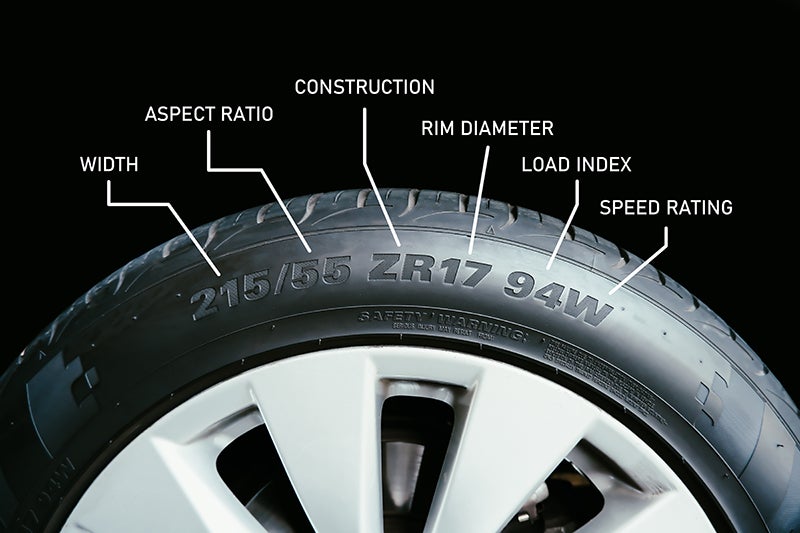
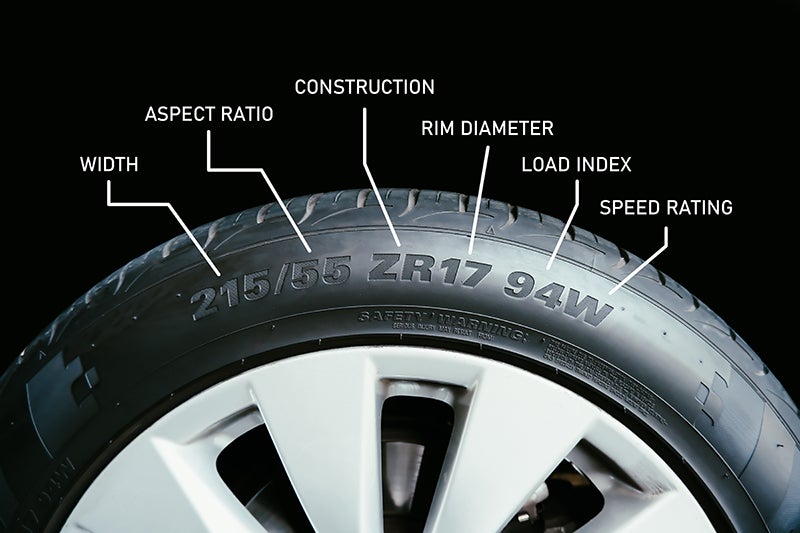
A tire is a complex assembly that consists of several layers, and each part serves a specific purpose for vehicle safety. The tread is the outermost layer that makes contact with the road, and it uses grooves to move water away for better grip. The sidewall protects the internal structure from damage, and it contains printed data like the tire size and load rating. 

The bead is a steel-reinforced edge that locks the tire to the rim, and it creates an airtight seal to prevent leaks. Inside the tire, the inner liner holds the compressed air and replaces the need for an inner tube. The body ply and belt package provide the structural strength, and these layers help the tire maintain its shape during operation. 

What Are the Main Parts of Wheels? 

The wheel assembly includes the rim, which is the metal edge where the tire bead sits. The barrel is the cylindrical section that determines the total width of the wheel. The hub serves as the central mounting point for the axle, and it contains the wheel bearing that allows for smooth rotation. 

Spokes or a solid disc connect the hub to the rim for structural support. Lug nuts are fasteners used to secure the wheel to the hub studs, and they must be tightened to the correct torque. The valve stem is a small fitting used for inflation, and it often contains sensors for the tire pressure monitoring system®. 

How Does Tire Pressure Work? 

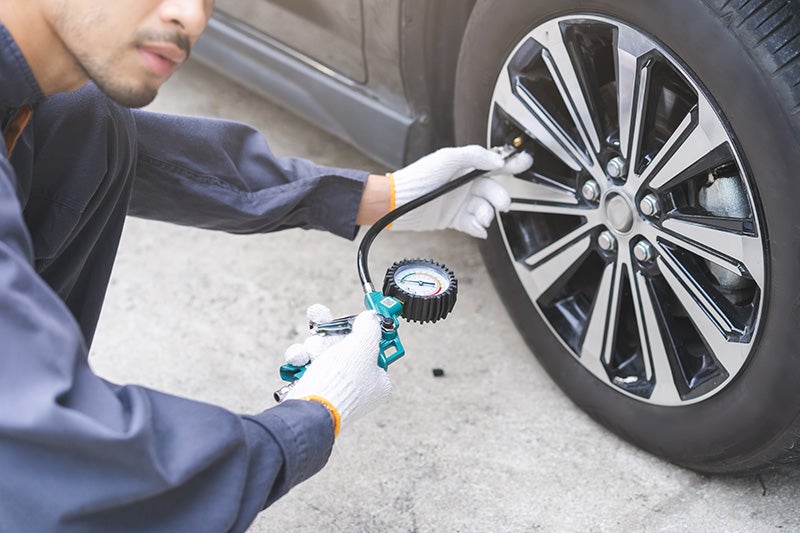
Proper tire pressure ensures the tire footprint is the correct size for handling. Most passenger vehicles require between 30 and 35 PSI, and the specific value is listed on a sticker inside the driver side door jamb. Temperature changes in Anniston, AL can cause pressure to shift by 1 PSI for every 10-degree change in Fahrenheit. Underinflated tires generate excess heat, while overinflated tires wear out in the center of the tread. 

What are Common Problems with Tires and Wheels?

Tires can experience punctures from nails or screws, and these often require professional repair if the damage is in the tread area. Uneven tread wear may indicate problems with alignment or improper inflation. Sidewall bubbles occur when the inner structure is damaged, and a tire with this type of damage is unsafe to drive. Wheels can become bent or cracked from hitting potholes, and these issues may cause vibrations at high speeds. 

What Maintenance Should be Scheduled for Tires and Wheels? 

Tire rotation should occur every 5000 to 7500 miles to ensure even wear across all 4 tires. Wheel alignment should be checked 1 time per year to prevent the vehicle from pulling to 1 side. Technicians perform wheel balancing to correct weight distribution, and they use small weights to stop steering wheel vibrations. Tread depth should be measured regularly using a gauge to ensure safety on wet roads. If the tread is at or below 2/32", the tire must be replaced for safety.

Keeping your tires and wheels in good condition helps support safer handling, smoother driving, and longer tire life. If you notice uneven tread wear, low tire pressure, vibration, or possible wheel damage, schedule tire and wheel maintenance with Cooper Chevrolet. Our service team can inspect your tires, check alignment and balance, review tread depth, and help you understand the next steps for your vehicle.
Posted in:

Related Posts

Your Complete Car Tires and Wheels FAQ: Parts, Maintenance, and More

Your Complete Car Tires and Wheels FAQ: Parts, Maintenance, and More

Did you know there's a lot more to your car's tires and wheels than just spinning to make your vehicle move? It's actually a complex system that works together, and understanding how your tires and wheels work together can help you catch problems early, maintain your vehicle properly, and make smarter decisions at the service counter. This FAQ breaks everything down in plain language for drivers in Anniston, Alabama. Tire sidewall marking , numbers and letters on tire meaning of car tire isolated on white background , Car tire concept; Shutterstock ID 2243054247; purchase_order: 27223; client: DealerOn What Are the Main Parts of a Wheel? A wheel is made up of several distinct components, and each one plays a role in keeping your vehicle safe and running smoothly. The rim is the outer circular edge of the wheel that holds the tire in place. The spokes connect the rim to the center and give the wheel its structural integrity - they also contribute heavily to the visual style of the wheel. The hub sits at the center and is where the wheel bolts onto the axle. Lug nuts (or lug bolts on some vehicles) fasten the wheel to the hub. They should always be torqued to the manufacturer's specification - over- or under-tightening can cause warping or wheel separation. more What Are the Main Parts of a Tire? Tires are more complex than they look from the outside. The tread is the outermost rubber layer that contacts the road. It's designed with grooves and sipes (the thin lines cut into the tread blocks) to channel water away and improve grip. Beneath the tread sits the belt layer, typically made of steel, which adds rigidity and puncture resistance. The sidewall is the vertical section of the tire between the tread and the rim, and it protects the internal structure from curbs and road debris. The bead is the reinforced inner edge of the tire that locks onto the rim to create an airtight seal - if this seal fails, you'll lose air pressure fast. The inner liner replaces the old tube design and holds pressurized air inside the tire. Finally, the valve stem is the small rubber or metal protrusion through which you add or release air. Over time, rubber valve stems can crack and leak, so they're worth replacing when you mount new tires. How Do These Parts Work Together? When you drive, your wheels and tires work as a system to support the vehicle's weight, absorb road impact, transmit engine power, and allow steering. The hub connects everything to the drivetrain, the lug nuts hold the wheel securely, and the tire's bead-to-rim seal keeps your air pressure consistent. If any part of this system fails, you can lose control or cause uneven wear on other components. What Can Go Wrong With Tires and Wheels? There's a wide range of issues that can develop over time. Tires can develop uneven tread wear from misalignment, improper inflation, or worn suspension components. A bulge or bubble in the sidewall usually means internal damage and is a safety risk that requires immediate attention. Cracked sidewalls can develop from age or UV exposure, even if the tread looks fine. On the wheel side, bent rims from pothole impacts can make it impossible to maintain proper air pressure and affect steering feel. Corroded or damaged lug nuts can strip or seize, making tire changes difficult and potentially dangerous. A leaking valve stem is easy to overlook but can cause slow air loss that leads to underinflation. What Kind of Maintenance Do Tires and Wheels Need? Tire rotation should happen every 5,000 to 7,500 miles to promote even tread wear. Wheel balancing corrects weight distribution and prevents vibration at highway speeds. Alignment checks keep your steering correct and prevent premature tire wear. Check tire pressure at least once a month - including the spare. Inspect lug nut torque after any tire service and have your valve stems inspected whenever you buy new tires. Visit Cooper Chevrolet for Expert Tire and Wheel Service Understanding your wheels and tires is a great first step - but regular professional inspections make all the difference. This FAQ covers the basics, but every vehicle is different. Drivers throughout Anniston, Alabama can count on the certified technicians at Cooper Chevrolet to keep every part of their wheels and tires in top condition. Stop by or schedule a service appointment online today.

Smiling mechanic in blue coveralls holding a tablet while leaning over a car engine.

Engine Overheating: Lack of Coolant and What to Do About It

If your car's engine is overheating, it can be a serious problem. Not only can it damage the engine, but it can also cause extensive and costly repairs. In this blog post from Cooper Chevrolet Buick in Anniston, AL, we'll discuss one of the most common reasons engines overheat and what you can do to prevent it. Lack of coolant is one of the most common reasons engines overheat. The coolant is responsible for keeping the engine cool, so if there isn't enough of it, the engine will start to overheat. There are a few ways to tell if your car is low on coolant. If you notice that the temperature gauge on your dashboard is higher than usual, or if you see steam coming from under the hood, these are both signs that your car is low on coolant and needs to be refilled as soon as possible. If you're unsure of how to check your car's coolant level or how to add coolant, it's best to consult your owner's manual or take it to a mechanic. They'll be able to safely and quickly check the level and add more if necessary. Click Here to Schedule Your Next Engine Service

Oil Pressure FAQ: Understanding Low Oil Pressure Warning Signs and Solutions for Your Chevrolet

Oil Pressure FAQ: Understanding Low Oil Pressure Warning Signs and Solutions for Your Chevrolet

Oil pressure plays an essential role in keeping your Chevrolet engine properly lubricated and operating efficiently. When oil circulates through the engine, it creates a protective barrier between moving components, reduces friction, and helps manage heat. A drop in oil pressure can indicate a maintenance issue that requires attention. At Cooper Chevrolet in Anniston, AL, we help drivers understand important vehicle maintenance topics, including common oil pressure concerns, warning signs, and steps to protect their Chevrolet. Whether you drive a Silverado, Equinox, Traverse, Tahoe, or another Chevy model, knowing how your oil pressure system works can help you maintain dependable performance. What Is Oil Pressure and Why Does It Matter? Oil pressure refers to the force that moves engine oil through internal passages to reach important components. Your engine depends on consistent oil flow to lubricate bearings, pistons, and other moving parts. Without proper oil pressure, these components can experience increased friction and heat. more A healthy oil pressure system helps: Deliver oil to critical engine components Reduce friction between moving parts Support proper engine temperature control Protect internal components from premature wear Your Chevrolet’s oil pump helps circulate oil throughout the engine. When the system operates correctly, oil reaches the areas that need protection most. What Does the Oil Pressure Warning Light Mean? The oil pressure warning light indicates that your vehicle has detected a potential issue with oil pressure. This warning should never be ignored because driving with low oil pressure may lead to serious engine damage. The warning light may appear due to: Low engine oil levels A failing oil pump An oil leak Incorrect oil viscosity A clogged oil filter Internal engine wear If the oil pressure warning light appears while driving, safely pull over when possible and turn off the engine. Continuing to operate your vehicle with low oil pressure can increase the risk of costly repairs. How Do I Know If My Chevrolet Has Low Oil Pressure? Low oil pressure can create several noticeable symptoms. Paying attention to changes in your vehicle’s performance can help you address issues before they become more severe. Common signs of low oil pressure include: An illuminated oil pressure warning light Engine ticking or knocking noises Reduced engine performance Increased engine temperature A noticeable oil leak beneath the vehicle If you notice these symptoms, scheduling an inspection with trained Chevrolet technicians can help determine the cause. What Causes Low Oil Pressure in a Chevrolet? Several factors can contribute to low oil pressure. Some issues may involve routine maintenance, while others may require professional diagnosis. Common causes include: Insufficient engine oil levels Old or degraded engine oil Using the incorrect oil type A damaged oil pump Worn engine components A blocked oil passage Regular oil changes and proper maintenance help support consistent oil pressure. Following the recommended service schedule in your Chevrolet owner’s manual is one of the best ways to protect your engine. Can Low Oil Levels Cause Low Oil Pressure? Yes, low engine oil levels can contribute to low oil pressure. When there is not enough oil available, the oil pump may not be able to maintain proper circulation throughout the engine. Drivers should check oil levels regularly, especially before long trips or when noticing possible warning signs. If the oil level is low, adding the manufacturer-recommended oil may help restore proper levels, but continued issues should be inspected by a qualified technician. How Often Should You Check Your Engine Oil? Checking your engine oil regularly helps you identify potential problems early. While modern Chevrolet vehicles include advanced monitoring systems, a manual inspection can still provide valuable information. Consider checking your oil: Before extended road trips When your vehicle displays an oil-related warning During routine maintenance intervals If you notice signs of an oil leak Your owner’s manual provides specific recommendations for checking oil levels and maintaining your Chevrolet. Does Changing Oil Improve Oil Pressure? Regular oil changes help maintain proper engine operation by keeping oil clean and allowing it to flow effectively. Over time, old oil can become contaminated with dirt and debris, reducing its ability to protect engine components. Fresh oil helps support: Proper lubrication Cleaner engine operation Reduced friction Consistent engine performance While an oil change can help with maintenance-related concerns, persistent oil pressure issues require a professional inspection to identify the underlying cause. What Type of Oil Does My Chevrolet Need? Using the correct engine oil is important for maintaining proper lubrication and performance. Chevrolet models may require different oil specifications depending on the engine design and model year. The recommended oil type depends on: Vehicle model Engine configuration Manufacturer specifications Driving conditions Always refer to your Chevrolet owner’s manual or consult a service professional to confirm the correct oil for your vehicle. Can I Drive With the Oil Pressure Light On? Driving with an active oil pressure warning light is not recommended. This warning may indicate that your engine is not receiving adequate lubrication, which can result in significant damage if ignored. If the light appears: Safely pull over when possible Turn off the engine Check the oil level if it is safe to do so Contact a qualified service center for assistance Taking immediate action can help prevent additional engine concerns. Schedule Chevrolet Service at Cooper Chevrolet Understanding oil pressure and recognizing warning signs can help you protect your Chevrolet for years to come. Proper oil maintenance, regular inspections, and timely service all contribute to reliable engine performance. At Cooper Chevrolet in Anniston, AL, our service team is ready to assist with oil changes, engine inspections, and maintenance recommendations for your Chevrolet. Whether you have questions about an oil pressure warning light or need routine service, we are here to help keep your vehicle running smoothly. Schedule you appointment online today.