




Blog / Oil

Oil Light On? Here's What Every Driver Should Know

Oil Light On? Here's What Every Driver Should Know 

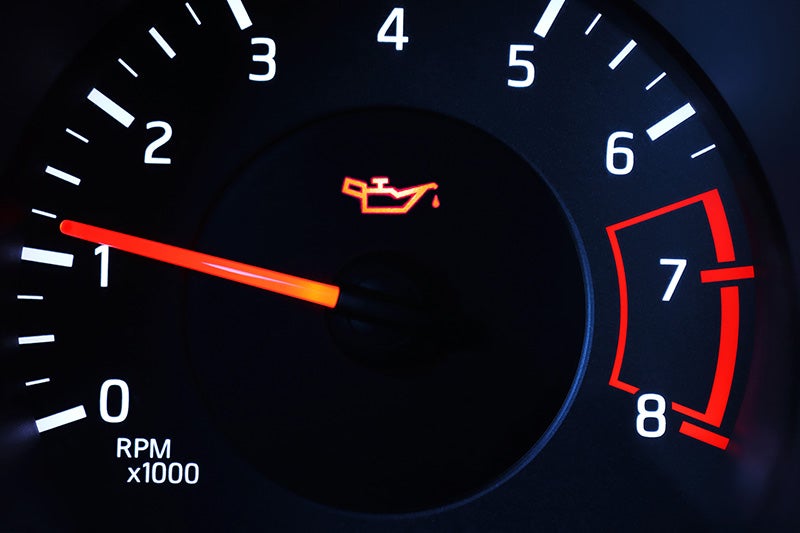
There are dashboard lights you can negotiate with. The low washer fluid light? Fine. You can probably survive another day. A reminder that your favorite radio station is no longer available? Tragic, but manageable. The oil warning light is different. When that little oil can icon appears on your dashboard, your vehicle is essentially saying, "We need to talk. Right now." And unlike many conversations in life, ignoring this one can become extremely expensive. 

The First Thing to Do Is Stop Pretending It's Nothing 

The moment the oil light comes on, your priority is finding a safe place to pull over. Not after the next exit. Not after you finish this song. Not after you stop for coffee. As soon as it is safe, pull over and switch off the engine. 

Why the urgency? Because the oil warning light often indicates low oil pressure, which means the engine may not be receiving the lubrication it needs. Inside your engine are dozens of metal components moving at astonishing speeds. They depend on a thin layer of oil to keep them separated. Without that protection, things become expensive remarkably quickly. 

Check the Oil Level Before Doing Anything Else 

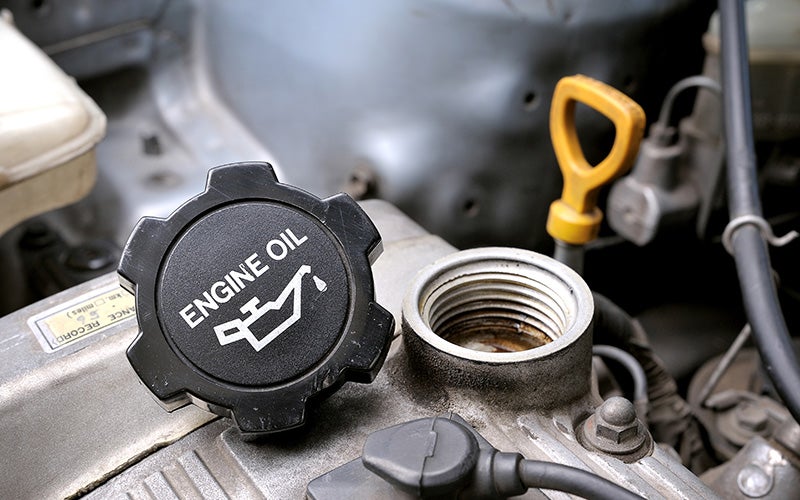
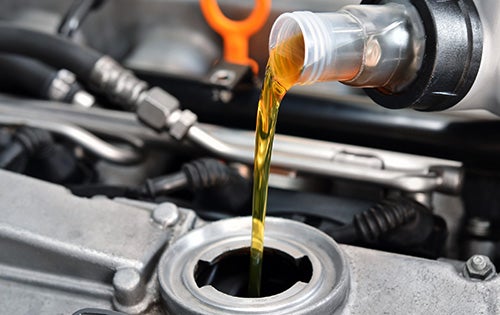
Once the engine has had a few minutes to settle, check the oil level using the dipstick. If the oil level is low, adding the correct oil may bring it back into the safe operating range. That can sometimes allow you to reach a service facility without further drama. 

However, adding oil addresses the symptom, not the cause. Oil does not simply vanish. If the level is low, there is usually a reason. The vehicle may be consuming oil, leaking it, or simply overdue for maintenance. In any case, the vehicle should be inspected as soon as possible. 

Sometimes the Problem Is More Serious 

Here is the part most drivers do not enjoy hearing. If the oil level appears normal and the warning light remains illuminated, the issue may involve oil pressure itself rather than oil quantity. That is significantly more concerning. 

A failed oil pump, a blocked passage, or another lubrication system issue can prevent oil from circulating properly through the engine. In those situations, driving the vehicle further is a bit like continuing a marathon with one shoe missing. Technically possible, perhaps, but not a strategy likely to end well. 

If the light stays on with a normal oil level, professional diagnosis is the next step. A tow truck is considerably cheaper than an engine replacement. 

What Causes the Oil Light to Come On? 

The most common cause is low oil level. It is also possible that the oil has become old and degraded, reducing its ability to perform properly. A faulty oil pressure sensor can occasionally trigger the warning light even when everything else is functioning normally. 

Then there are the more serious possibilities, including oil pump failure or internal engine issues affecting pressure throughout the lubrication system. The challenge is that the warning light itself does not tell you which one it is. It simply tells you that something requires immediate attention. 

Regular Oil Changes Prevent Most of This Drama 

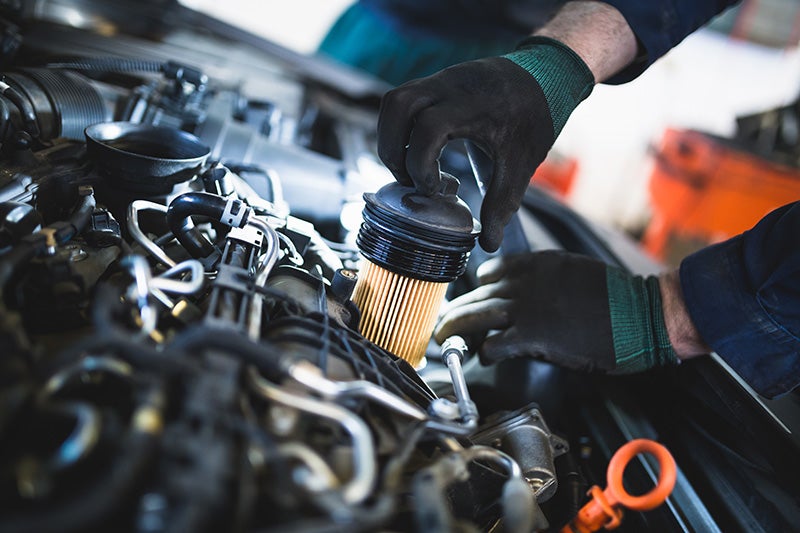
The good news is that many oil-related problems are entirely preventable. Routine oil changes help maintain proper lubrication, support engine longevity, and reduce the likelihood of sludge buildup or pressure-related concerns. Modern Chevrolet engines are engineered for durability, but they still depend on clean oil to do their job properly. It remains one of the simplest maintenance services you can perform and one of the most important. 

Don't Ignore the Warning 

The oil light is not a suggestion. It is not a reminder. It is not your vehicle politely asking for attention at some convenient point in the future. It is a warning. 

Drivers throughout Anniston, AL can rely on the service team at Cooper Chevrolet for oil system inspections, oil changes, and diagnostic services designed to identify problems before they become major repairs. If your oil warning light has appeared, schedule service as soon as possible and let trained technicians determine exactly what your vehicle is trying to tell you. 
Posted in:

Related Posts

Oil Pressure FAQ: Understanding Low Oil Pressure Warning Signs and Solutions for Your Chevrolet

Oil Pressure FAQ: Understanding Low Oil Pressure Warning Signs and Solutions for Your Chevrolet

Oil pressure plays an essential role in keeping your Chevrolet engine properly lubricated and operating efficiently. When oil circulates through the engine, it creates a protective barrier between moving components, reduces friction, and helps manage heat. A drop in oil pressure can indicate a maintenance issue that requires attention. At Cooper Chevrolet in Anniston, AL, we help drivers understand important vehicle maintenance topics, including common oil pressure concerns, warning signs, and steps to protect their Chevrolet. Whether you drive a Silverado, Equinox, Traverse, Tahoe, or another Chevy model, knowing how your oil pressure system works can help you maintain dependable performance. What Is Oil Pressure and Why Does It Matter? Oil pressure refers to the force that moves engine oil through internal passages to reach important components. Your engine depends on consistent oil flow to lubricate bearings, pistons, and other moving parts. Without proper oil pressure, these components can experience increased friction and heat. more A healthy oil pressure system helps: Deliver oil to critical engine components Reduce friction between moving parts Support proper engine temperature control Protect internal components from premature wear Your Chevrolet’s oil pump helps circulate oil throughout the engine. When the system operates correctly, oil reaches the areas that need protection most. What Does the Oil Pressure Warning Light Mean? The oil pressure warning light indicates that your vehicle has detected a potential issue with oil pressure. This warning should never be ignored because driving with low oil pressure may lead to serious engine damage. The warning light may appear due to: Low engine oil levels A failing oil pump An oil leak Incorrect oil viscosity A clogged oil filter Internal engine wear If the oil pressure warning light appears while driving, safely pull over when possible and turn off the engine. Continuing to operate your vehicle with low oil pressure can increase the risk of costly repairs. How Do I Know If My Chevrolet Has Low Oil Pressure? Low oil pressure can create several noticeable symptoms. Paying attention to changes in your vehicle’s performance can help you address issues before they become more severe. Common signs of low oil pressure include: An illuminated oil pressure warning light Engine ticking or knocking noises Reduced engine performance Increased engine temperature A noticeable oil leak beneath the vehicle If you notice these symptoms, scheduling an inspection with trained Chevrolet technicians can help determine the cause. What Causes Low Oil Pressure in a Chevrolet? Several factors can contribute to low oil pressure. Some issues may involve routine maintenance, while others may require professional diagnosis. Common causes include: Insufficient engine oil levels Old or degraded engine oil Using the incorrect oil type A damaged oil pump Worn engine components A blocked oil passage Regular oil changes and proper maintenance help support consistent oil pressure. Following the recommended service schedule in your Chevrolet owner’s manual is one of the best ways to protect your engine. Can Low Oil Levels Cause Low Oil Pressure? Yes, low engine oil levels can contribute to low oil pressure. When there is not enough oil available, the oil pump may not be able to maintain proper circulation throughout the engine. Drivers should check oil levels regularly, especially before long trips or when noticing possible warning signs. If the oil level is low, adding the manufacturer-recommended oil may help restore proper levels, but continued issues should be inspected by a qualified technician. How Often Should You Check Your Engine Oil? Checking your engine oil regularly helps you identify potential problems early. While modern Chevrolet vehicles include advanced monitoring systems, a manual inspection can still provide valuable information. Consider checking your oil: Before extended road trips When your vehicle displays an oil-related warning During routine maintenance intervals If you notice signs of an oil leak Your owner’s manual provides specific recommendations for checking oil levels and maintaining your Chevrolet. Does Changing Oil Improve Oil Pressure? Regular oil changes help maintain proper engine operation by keeping oil clean and allowing it to flow effectively. Over time, old oil can become contaminated with dirt and debris, reducing its ability to protect engine components. Fresh oil helps support: Proper lubrication Cleaner engine operation Reduced friction Consistent engine performance While an oil change can help with maintenance-related concerns, persistent oil pressure issues require a professional inspection to identify the underlying cause. What Type of Oil Does My Chevrolet Need? Using the correct engine oil is important for maintaining proper lubrication and performance. Chevrolet models may require different oil specifications depending on the engine design and model year. The recommended oil type depends on: Vehicle model Engine configuration Manufacturer specifications Driving conditions Always refer to your Chevrolet owner’s manual or consult a service professional to confirm the correct oil for your vehicle. Can I Drive With the Oil Pressure Light On? Driving with an active oil pressure warning light is not recommended. This warning may indicate that your engine is not receiving adequate lubrication, which can result in significant damage if ignored. If the light appears: Safely pull over when possible Turn off the engine Check the oil level if it is safe to do so Contact a qualified service center for assistance Taking immediate action can help prevent additional engine concerns. Schedule Chevrolet Service at Cooper Chevrolet Understanding oil pressure and recognizing warning signs can help you protect your Chevrolet for years to come. Proper oil maintenance, regular inspections, and timely service all contribute to reliable engine performance. At Cooper Chevrolet in Anniston, AL, our service team is ready to assist with oil changes, engine inspections, and maintenance recommendations for your Chevrolet. Whether you have questions about an oil pressure warning light or need routine service, we are here to help keep your vehicle running smoothly. Schedule you appointment online today.

The Importance of Oil Filters for Your Chevrolet: What They Do and When to Change Them

The Importance of Oil Filters for Your Chevrolet: What They Do and When to Change Them

An oil filter might not always be top of mind when it comes to maintaining your Chevrolet, but it plays a crucial role in ensuring your vehicle’s engine operates smoothly. Just like engine oil, the oil filter is essential for keeping your engine clean and running efficiently. If left unchecked, a dirty or damaged oil filter can lead to a host of engine problems, including reduced performance and costly repairs. At Cooper Chevrolet in Anniston, AL, we’re here to help you understand what oil filters do, how to maintain them, and when it’s time for a change. What Does an Oil Filter Do? Oil filters are responsible for cleaning the oil as it circulates through your engine. As engine oil flows through the engine, it picks up debris, contaminants, and particles from the engine components. Without an filter, these contaminants would remain in the oil, causing damage to the engine over time. more An oil filter removes dirt, metal shavings, dust, and other particles, preventing them from circulating through the engine and causing wear on the engine's moving parts. It ensures that only clean oil reaches crucial components like the pistons, cylinders, and valves. In essence, the filter keeps the oil working efficiently and protects your engine from the buildup of harmful debris. Prevents contaminants: The filter traps debris, dirt, and metal particles that can damage engine components. Ensures smooth engine performance: Clean oil reduces friction and maintains proper lubrication, which helps the engine run smoothly. Extends engine life: By keeping contaminants out, the filter helps prevent engine damage, extending its overall lifespan. When Should You Change Your Oil Filter? Just like oil changes, oil filters need to be replaced regularly to ensure optimal engine performance. Generally, it’s recommended to change the filter every time you change your oil. For most vehicles, oil changes are needed every 3,000 to 5,000 miles, depending on factors such as oil type, driving conditions, and your vehicle’s requirements. However, there are other factors that could determine when it's time to change your filter: Oil type: If you're using conventional oil, you may need to replace your filter more frequently. Synthetic oil may allow for longer intervals between changes. Driving conditions: Frequent short trips, stop-and-go traffic, and harsh driving conditions can increase the rate at which your filter becomes clogged. Vehicle age: Older vehicles or vehicles with higher mileage may require more frequent filter changes due to increased wear and tear on the engine. If you're ever unsure about when to change your filter, our team at Cooper Chevrolet in Anniston, AL, can assist you in determining the best maintenance schedule for your Chevrolet. Signs It’s Time to Change Your Filter While oil filters are designed to last for a significant period, they do eventually become clogged and lose their effectiveness. Here are some signs that it’s time to change your filter: 1. Engine Noise and Performance Issues If you hear strange noises from the engine or notice a decrease in performance, such as a sluggish or rough-running engine, it could be a sign that the filter is clogged. A clogged filter restricts oil flow, leading to insufficient lubrication and increased friction. 2. Oil Pressure Light If the oil pressure warning light comes on, it could indicate that the filter is clogged or the oil pressure is low. This is a serious issue that needs to be addressed immediately to prevent further engine damage. 3. Dirty Oil Check the color of your oil. If the oil appears darker or thicker than usual, it could be a sign that the oil filter is not removing contaminants effectively. Clean oil should be amber in color and flow smoothly. 4. Poor Fuel Economy A clogged filter can cause the engine to work harder, leading to decreased fuel efficiency. If you notice that your vehicle is using more fuel than usual, it could be time to replace the oil filter. 5. Visible Leaks If you notice oil spots or leaks under your vehicle, this could be a sign of an filter problem. A cracked or damaged filter can cause oil to leak out, leading to low oil levels and potential engine damage. What Can Go Wrong if You Don’t Replace Your Filter? Neglecting to replace your filter at the recommended intervals can lead to a number of engine problems. Here’s what could happen if the filter is not replaced regularly: Increased engine wear: Dirty oil that isn’t filtered can cause excessive friction between moving parts, leading to increased engine wear and reduced performance. Engine overheating: Oil filters help to regulate the engine temperature by ensuring proper oil flow. A clogged filter can lead to overheating and cause permanent engine damage. Reduced fuel efficiency: A clogged filter can prevent proper oil circulation, making the engine work harder and leading to lower fuel efficiency. Engine failure: In the worst case, neglecting filter changes can result in severe engine damage and, in some cases, total engine failure due to lack of proper lubrication. Maintaining Your Oil Filter and Engine Health To keep your engine in top condition, it’s important to regularly replace the filter as part of your routine maintenance. Here’s what you can do to help maintain your filter and engine: Change the oil regularly: Follow the manufacturer's recommended oil change intervals to keep the oil clean and the engine running smoothly. Inspect for leaks: Regularly check for oil leaks around the filter area and address any issues promptly. Use the right oil filter: Always use the correct filter for your specific Chevrolet model to ensure proper fit and functionality. If you're due for an oil change or suspect an issue with your filter, visit Cooper Chevrolet in Anniston, AL. Our expert technicians will inspect your vehicle and ensure it’s properly maintained.

Oil Changes: Everything You Need to Know for Your Chevrolet

Oil Changes: Everything You Need to Know for Your Chevrolet

An oil change is a routine task that is essential for maintaining the longevity and performance of your Chevrolet vehicle. Although it may seem like a simple chore, understanding the role oil plays in your vehicle and how often it needs to be changed can save you from costly repairs and keep your engine running smoothly for years. At Cooper Chevrolet in Anniston, AL, we’re here to help you understand the ins and outs of oil changes, from the different types of oil to signs of bad oil and what could go wrong if oil changes are neglected. The Role of Oil in Your Vehicle Oil is the lifeblood of your vehicle’s engine. It lubricates the moving parts, reducing friction and wear. Without oil, the metal parts inside the engine would grind together, leading to overheating, damage, and eventually engine failure. Oil also helps with cooling, keeping the engine at optimal temperatures, and cleans the engine by carrying away contaminants and debris. The right oil and regular oil changes are essential to maintain your vehicle’s performance and prevent costly repairs. What Does Oil Do? Lubrication: Reduces friction between moving parts, preventing metal-on-metal contact and wear. Cooling: Helps dissipate heat from the engine, ensuring it doesn’t overheat. Cleaning: Traps contaminants and debris, preventing them from circulating in the engine. Sealing: Helps maintain proper pressure and seals gaps between components. How Often Should You Schedule an Oil Change? The frequency of oil changes depends on several factors, including the type of oil used, driving conditions, and your vehicle's specific requirements. Most vehicles will need an oil change every 3,000 to 5,000 miles. However, newer vehicles with synthetic oils may extend this range. Factors Affecting Oil Change Frequency Oil Type: Conventional oil typically requires more frequent changes (every 3,000 to 5,000 miles), while synthetic oil can last longer, up to 7,500 miles or more. Driving Conditions: Frequent short trips, stop-and-go traffic, and extreme weather conditions can require more frequent oil changes. Vehicle Manufacturer Recommendations: Always refer to your vehicle’s owner’s manual for the manufacturer’s recommended oil change intervals. If you’re unsure about when your vehicle is due for an oil change, our team at Cooper Chevrolet in Anniston, AL, can provide you with a detailed service schedule to ensure your vehicle stays in top shape. Types of Oil: Which One is Right for Your Vehicle? There are several types of oil, and each one serves a specific purpose. The right type of oil for your vehicle will depend on its make, model, and engine type. Below are the most common types of oil: Conventional Oil Best For: Older vehicles with simple engines. Pros: Affordable and widely available. Cons: Needs to be changed more frequently than synthetic oils. Synthetic Oil Best For: Newer vehicles or those used for high-performance driving. Pros: Lasts longer, performs better in extreme temperatures, and reduces engine wear. Cons: More expensive than conventional oil. Synthetic Blend Oil Best For: Drivers who want some of the benefits of synthetic oil but at a lower cost. Pros: A mix of synthetic and conventional oil offers enhanced protection. Cons: Doesn’t last as long as full synthetic oil. High-Mileage Oil Best For: Older vehicles with more than 75,000 miles. Pros: Helps reduce leaks and oil burn-off, and contains additives to improve engine performance. Cons: Can be more expensive than regular oil. Symptoms of Needing an Oil Change Over time, engine oil degrades due to heat and contaminants, and if it isn’t replaced in a timely manner, it can cause significant damage to the engine. Here are some symptoms of bad or low oil that you should watch out for: 1. Check Engine Light or Oil Pressure Light If the oil pressure light or check engine light comes on, it could be a sign that the oil pressure is too low, or the oil quality has degraded. 2. Loud Engine Noises If your engine begins making knocking or grinding noises, it could indicate that the oil isn’t properly lubricating the engine parts. 3. Burning Smell If you notice a burning oil smell, it could mean that the oil is old or that it has begun to leak onto hot engine components. 4. Exhaust Smoke Blue or grey smoke coming from the exhaust could indicate that oil is leaking into the combustion chamber, which often happens when the oil becomes too thin or has leaked from an aging engine seal. 5. Decreased Fuel Efficiency Dirty oil can cause the engine to work harder, which can decrease fuel efficiency. If your vehicle is consuming more fuel than usual, it could be time for an oil change. What Can Go Wrong If You Don’t Change Your Oil? Neglecting oil changes can lead to serious engine problems. Over time, dirty or low oil can result in: Increased Wear and Tear: Lack of lubrication leads to faster wear of engine parts. Overheating: Oil helps regulate the engine's temperature, so running low on oil or using old oil can cause the engine to overheat. Engine Seizure: In extreme cases, the engine could seize, meaning the parts inside the engine have worn down so much that they can no longer move, requiring a full engine replacement. Decreased Performance: The engine may become sluggish, and your vehicle could suffer from reduced power and responsiveness. By staying on top of oil changes, you can avoid these issues and extend the life of your vehicle. At Cooper Chevrolet in Anniston, AL, we understand how important it is to maintain your vehicle's oil system. Regular oil changes not only keep your engine running smoothly but also help you avoid unnecessary repairs and costly damage down the road. If you’re due for an oil change or have any questions about the right oil for your Chevrolet, don’t hesitate to reach out. Our expert service team is here to assist you in keeping your vehicle in optimal condition.