





Blog / Anniston Chevrolet Service

The Importance of Oil Filters for Your Chevrolet: What They Do and When to Change Them

The Importance of Oil Filters for Your Chevrolet: What They Do and When to Change Them

An oil filter might not always be top of mind when it comes to maintaining your Chevrolet, but it plays a crucial role in ensuring your vehicle’s engine operates smoothly. Just like engine oil, the oil filter is essential for keeping your engine clean and running efficiently. If left unchecked, a dirty or damaged oil filter can lead to a host of engine problems, including reduced performance and costly repairs. At Cooper Chevrolet in Anniston, AL, we’re here to help you understand what oil filters do, how to maintain them, and when it’s time for a change.

What Does an Oil Filter Do?

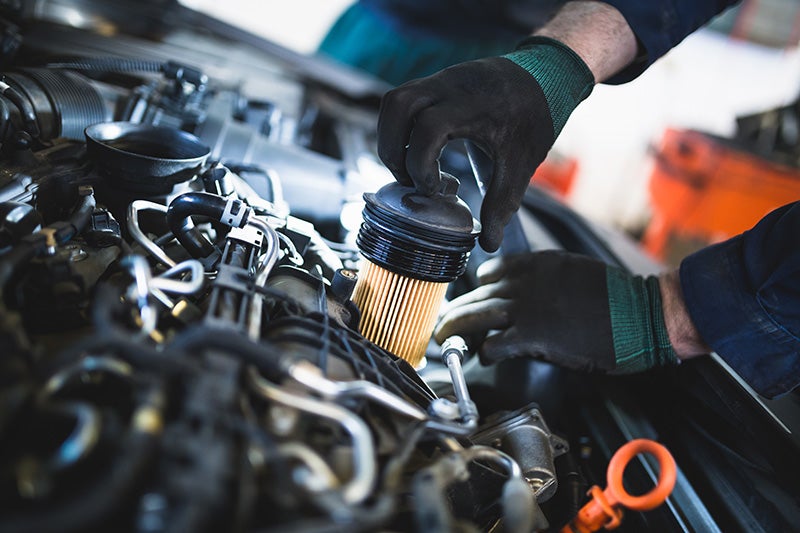
Oil filters are responsible for cleaning the oil as it circulates through your engine. As engine oil flows through the engine, it picks up debris, contaminants, and particles from the engine components. Without an filter, these contaminants would remain in the oil, causing damage to the engine over time.

An oil filter removes dirt, metal shavings, dust, and other particles, preventing them from circulating through the engine and causing wear on the engine's moving parts. It ensures that only clean oil reaches crucial components like the pistons, cylinders, and valves. In essence, the filter keeps the oil working efficiently and protects your engine from the buildup of harmful debris.

  • Prevents contaminants: The filter traps debris, dirt, and metal particles that can damage engine components.
  • Ensures smooth engine performance: Clean oil reduces friction and maintains proper lubrication, which helps the engine run smoothly.
  • Extends engine life: By keeping contaminants out, the filter helps prevent engine damage, extending its overall lifespan.

When Should You Change Your Oil Filter?

Just like oil changes, oil filters need to be replaced regularly to ensure optimal engine performance. Generally, it’s recommended to change the filter every time you change your oil. For most vehicles, oil changes are needed every 3,000 to 5,000 miles, depending on factors such as oil type, driving conditions, and your vehicle’s requirements.

However, there are other factors that could determine when it's time to change your filter:

  • Oil type: If you're using conventional oil, you may need to replace your filter more frequently. Synthetic oil may allow for longer intervals between changes.
  • Driving conditions: Frequent short trips, stop-and-go traffic, and harsh driving conditions can increase the rate at which your filter becomes clogged.
  • Vehicle age: Older vehicles or vehicles with higher mileage may require more frequent filter changes due to increased wear and tear on the engine.

If you're ever unsure about when to change your filter, our team at Cooper Chevrolet in Anniston, AL, can assist you in determining the best maintenance schedule for your Chevrolet.

Signs It’s Time to Change Your Filter

While oil filters are designed to last for a significant period, they do eventually become clogged and lose their effectiveness. Here are some signs that it’s time to change your filter:

1. Engine Noise and Performance Issues

If you hear strange noises from the engine or notice a decrease in performance, such as a sluggish or rough-running engine, it could be a sign that the filter is clogged. A clogged filter restricts oil flow, leading to insufficient lubrication and increased friction.

2. Oil Pressure Light

If the oil pressure warning light comes on, it could indicate that the filter is clogged or the oil pressure is low. This is a serious issue that needs to be addressed immediately to prevent further engine damage.

3. Dirty Oil

Check the color of your oil. If the oil appears darker or thicker than usual, it could be a sign that the oil filter is not removing contaminants effectively. Clean oil should be amber in color and flow smoothly.

4. Poor Fuel Economy

A clogged filter can cause the engine to work harder, leading to decreased fuel efficiency. If you notice that your vehicle is using more fuel than usual, it could be time to replace the oil filter.

5. Visible Leaks

If you notice oil spots or leaks under your vehicle, this could be a sign of an filter problem. A cracked or damaged filter can cause oil to leak out, leading to low oil levels and potential engine damage.

What Can Go Wrong if You Don’t Replace Your Filter?

Neglecting to replace your filter at the recommended intervals can lead to a number of engine problems. Here’s what could happen if the filter is not replaced regularly:

  • Increased engine wear: Dirty oil that isn’t filtered can cause excessive friction between moving parts, leading to increased engine wear and reduced performance.
  • Engine overheating: Oil filters help to regulate the engine temperature by ensuring proper oil flow. A clogged filter can lead to overheating and cause permanent engine damage.
  • Reduced fuel efficiency: A clogged filter can prevent proper oil circulation, making the engine work harder and leading to lower fuel efficiency.
  • Engine failure: In the worst case, neglecting filter changes can result in severe engine damage and, in some cases, total engine failure due to lack of proper lubrication.

Maintaining Your Oil Filter and Engine Health

To keep your engine in top condition, it’s important to regularly replace the filter as part of your routine maintenance. Here’s what you can do to help maintain your filter and engine:

  • Change the oil regularly: Follow the manufacturer's recommended oil change intervals to keep the oil clean and the engine running smoothly.
  • Inspect for leaks: Regularly check for oil leaks around the filter area and address any issues promptly.
  • Use the right oil filter: Always use the correct filter for your specific Chevrolet model to ensure proper fit and functionality.

If you're due for an oil change or suspect an issue with your filter, visit Cooper Chevrolet in Anniston, AL. Our expert technicians will inspect your vehicle and ensure it’s properly maintained.
Posted in:

Related Posts

Oil Changes: Everything You Need to Know for Your Chevrolet

Oil Changes: Everything You Need to Know for Your Chevrolet

An oil change is a routine task that is essential for maintaining the longevity and performance of your Chevrolet vehicle. Although it may seem like a simple chore, understanding the role oil plays in your vehicle and how often it needs to be changed can save you from costly repairs and keep your engine running smoothly for years. At Cooper Chevrolet in Anniston, AL, we’re here to help you understand the ins and outs of oil changes, from the different types of oil to signs of bad oil and what could go wrong if oil changes are neglected. The Role of Oil in Your Vehicle Oil is the lifeblood of your vehicle’s engine. It lubricates the moving parts, reducing friction and wear. Without oil, the metal parts inside the engine would grind together, leading to overheating, damage, and eventually engine failure. Oil also helps with cooling, keeping the engine at optimal temperatures, and cleans the engine by carrying away contaminants and debris. The right oil and regular oil changes are essential to maintain your vehicle’s performance and prevent costly repairs. What Does Oil Do? Lubrication: Reduces friction between moving parts, preventing metal-on-metal contact and wear. Cooling: Helps dissipate heat from the engine, ensuring it doesn’t overheat. Cleaning: Traps contaminants and debris, preventing them from circulating in the engine. Sealing: Helps maintain proper pressure and seals gaps between components. How Often Should You Schedule an Oil Change? The frequency of oil changes depends on several factors, including the type of oil used, driving conditions, and your vehicle's specific requirements. Most vehicles will need an oil change every 3,000 to 5,000 miles. However, newer vehicles with synthetic oils may extend this range. Factors Affecting Oil Change Frequency Oil Type: Conventional oil typically requires more frequent changes (every 3,000 to 5,000 miles), while synthetic oil can last longer, up to 7,500 miles or more. Driving Conditions: Frequent short trips, stop-and-go traffic, and extreme weather conditions can require more frequent oil changes. Vehicle Manufacturer Recommendations: Always refer to your vehicle’s owner’s manual for the manufacturer’s recommended oil change intervals. If you’re unsure about when your vehicle is due for an oil change, our team at Cooper Chevrolet in Anniston, AL, can provide you with a detailed service schedule to ensure your vehicle stays in top shape. Types of Oil: Which One is Right for Your Vehicle? There are several types of oil, and each one serves a specific purpose. The right type of oil for your vehicle will depend on its make, model, and engine type. Below are the most common types of oil: Conventional Oil Best For: Older vehicles with simple engines. Pros: Affordable and widely available. Cons: Needs to be changed more frequently than synthetic oils. Synthetic Oil Best For: Newer vehicles or those used for high-performance driving. Pros: Lasts longer, performs better in extreme temperatures, and reduces engine wear. Cons: More expensive than conventional oil. Synthetic Blend Oil Best For: Drivers who want some of the benefits of synthetic oil but at a lower cost. Pros: A mix of synthetic and conventional oil offers enhanced protection. Cons: Doesn’t last as long as full synthetic oil. High-Mileage Oil Best For: Older vehicles with more than 75,000 miles. Pros: Helps reduce leaks and oil burn-off, and contains additives to improve engine performance. Cons: Can be more expensive than regular oil. Symptoms of Needing an Oil Change Over time, engine oil degrades due to heat and contaminants, and if it isn’t replaced in a timely manner, it can cause significant damage to the engine. Here are some symptoms of bad or low oil that you should watch out for: 1. Check Engine Light or Oil Pressure Light If the oil pressure light or check engine light comes on, it could be a sign that the oil pressure is too low, or the oil quality has degraded. 2. Loud Engine Noises If your engine begins making knocking or grinding noises, it could indicate that the oil isn’t properly lubricating the engine parts. 3. Burning Smell If you notice a burning oil smell, it could mean that the oil is old or that it has begun to leak onto hot engine components. 4. Exhaust Smoke Blue or grey smoke coming from the exhaust could indicate that oil is leaking into the combustion chamber, which often happens when the oil becomes too thin or has leaked from an aging engine seal. 5. Decreased Fuel Efficiency Dirty oil can cause the engine to work harder, which can decrease fuel efficiency. If your vehicle is consuming more fuel than usual, it could be time for an oil change. What Can Go Wrong If You Don’t Change Your Oil? Neglecting oil changes can lead to serious engine problems. Over time, dirty or low oil can result in: Increased Wear and Tear: Lack of lubrication leads to faster wear of engine parts. Overheating: Oil helps regulate the engine's temperature, so running low on oil or using old oil can cause the engine to overheat. Engine Seizure: In extreme cases, the engine could seize, meaning the parts inside the engine have worn down so much that they can no longer move, requiring a full engine replacement. Decreased Performance: The engine may become sluggish, and your vehicle could suffer from reduced power and responsiveness. By staying on top of oil changes, you can avoid these issues and extend the life of your vehicle. At Cooper Chevrolet in Anniston, AL, we understand how important it is to maintain your vehicle's oil system. Regular oil changes not only keep your engine running smoothly but also help you avoid unnecessary repairs and costly damage down the road. If you’re due for an oil change or have any questions about the right oil for your Chevrolet, don’t hesitate to reach out. Our expert service team is here to assist you in keeping your vehicle in optimal condition.

New vs. Used Chevrolet: Which Is Right for You?

If you're in the market for your next vehicle, you've probably already asked yourself the big question - new vs. used Chevrolet - which makes more sense? It's a decision that comes down to your budget, your priorities, and the kind of driving experience you're looking for. Whether you want the latest technology or a more budget-friendly option, there's a Chevrolet that fits your life. Let's break down what each path has to offer so you can feel confident walking in the door. The Case for Buying a New Chevrolet One of the biggest advantages of going new is access to the latest features. Today's new Chevrolet lineup includes vehicles like the 2026 Silverado, the 2027 Equinox, and the 2026 Trax - each loaded with modern technology, updated safety features, and fresh styling. You'll get the full factory warranty, giving you peace of mind from day one. Financing a new Chevrolet can also work in your favor. Chevy regularly offers competitive APR deals and bonus cash incentives through GM Financial, making monthly payments more manageable than you might expect. For drivers in Anniston, AL who want a vehicle that's ready for anything right out of the box, new is a strong option. If you're interested in going electric, the new Chevrolet lineup includes compelling EV options like the Equinox EV and the Silverado EV. These models come with the latest charging-compatible technology and may qualify for available federal incentives. The Case for Buying a Used Chevrolet Choosing a pre-owned vehicle is a smart move when value and lower upfront costs are the priority. A used Chevrolet can deliver the same dependability the brand is known for, often at a significantly reduced price compared to a new model. A Chevrolet Certified Pre-Owned vehicle is worth considering if you want some of the reassurance of buying new without the new-car price tag. Certified Used vehicles go through a thorough inspection process and typically come with limited warranty coverage, so you're not buying blind. Used vehicles also tend to have lower registration fees and may carry lower insurance costs, which adds up over time. For buyers weighing new Chevrolet vs used Chevrolet options, a pre-owned model can be a practical and reliable choice. What to Consider Before You Decide Thinking through a few key factors can help make the decision clearer. Your budget is the obvious starting point - how much can you comfortably put down and finance each month? From there, consider how long you plan to keep the vehicle and how important features like the latest touchscreen technology or advanced driver assistance systems are to you. If low long-term maintenance costs matter, a new model with a full warranty has an edge. If getting the most vehicle for your dollar today is the priority, a quality used Chevrolet can deliver real bang for your buck. The new Chevrolet vs used Chevrolet question really comes down to your personal situation. Visit Cooper Chevrolet to Explore Your Options Ultimately, neither path is wrong - it's about what works best for you right now. Whether you're drawn to the newest Silverado or eyeing a certified pre-owned Equinox, the answer to new vs. used Chevrolet depends on your goals, your budget, and your lifestyle. The team at Cooper Chevrolet is ready to help drivers throughout Anniston, AL find the right fit. Stop by or visit online to explore new and used inventory today.

Best Chevrolet Models for First-Time Buyers

Buying your first car is exciting, but it can also feel a little overwhelming. With so many options out there, it helps to narrow things down to vehicles that offer the right mix of value, reliability, and everyday practicality. If you're shopping in Anniston, AL, Chevrolet has a strong lineup of models that make a lot of sense for first-time buyers - and Cooper Chevrolet is a great place to start your search. Why Chevrolet Is a Smart Choice for First-Time Buyers Chevrolet has built a reputation for dependability across a wide range of vehicles. For someone buying their first car, that kind of track record matters. The brand also offers a broad lineup at various price points, which makes it easier to find something that fits your budget without sacrificing the features you actually want. Whether you're looking for a compact SUV, a small crossover, or an efficient everyday car, Chevrolet for first-time buyers has real options worth considering. The 2026 Chevrolet Trax - A Budget-Friendly Standout The 2026 Chevrolet Trax is one of the most accessible new vehicles on the market today. It starts at a very competitive price point and delivers a modern, comfortable interior with a large touchscreen, available wireless connectivity, and a fresh exterior design. It's easy to park, easy to drive, and practical enough for daily commutes, errands, and weekend trips. For drivers who want something new without stretching their budget, the Trax is a natural starting point and one of the best Chevrolet models for first-time buyers. The 2026 Chevrolet Trailblazer - Style Meets Everyday Value If you want a little more personality in your first vehicle, the 2026 Chevrolet Trailblazer is worth a close look. It offers a slightly larger footprint than the Trax, along with available all-wheel drive and a range of trim levels that let you customize the experience. The interior is thoughtfully laid out with tech-friendly features, and the available turbocharged engine options give it a more spirited feel on the road. It's one of those vehicles that genuinely feels like more than its price tag suggests. The 2027 Chevrolet Equinox - Comfort and Capability The 2027 Chevrolet Equinox is a step up in size and refinement, and it remains one of the most popular models in Chevy's SUV lineup. For first-time buyers who want a bit more space - whether for passengers, cargo, or both - the Equinox delivers without being overly complicated to own or maintain. It comes well-equipped across its trim levels, and the comfortable ride quality makes it an easy choice for a wide range of driving needs. The Equinox is a well-rounded pick for anyone ready to invest a little more in their first vehicle. Considering an Electric Vehicle as Your First Car Chevrolet's electric vehicle lineup is growing, and it includes some genuinely practical options for first-time buyers. The 2027 Chevrolet Bolt stands out as one of the more affordable EVs currently available. It's compact, easy to charge at home with a standard charger, and offers a driving experience that many new drivers find refreshing. If you're open to going electric, it's worth exploring whether an EV fits your daily driving routine and lifestyle. Find Your First Chevrolet at Cooper Chevrolet No matter which model catches your eye, the goal is finding a vehicle that fits your life and your budget from day one. The best Chevrolet models for first-time buyers share a few common traits - they're practical, reliable, well-priced, and backed by a brand with a long history of building vehicles people trust. Visit Cooper Chevrolet in person or browse our website to explore current inventory and find the right fit for drivers throughout Anniston, AL.