



Blog / Fleet

Why Buy a Chevrolet Silverado 2500 from Cooper Chevrolet?

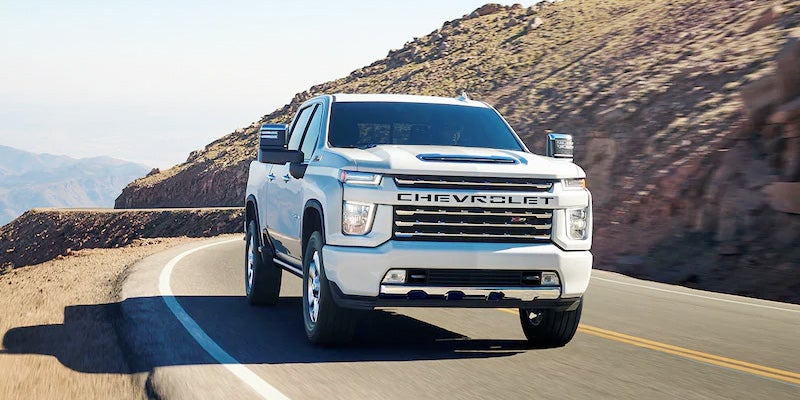
Chevrolet Silverado 2500 driving on road.

If you are searching for a powerful family vehicle for hauling cargo around Anniston, the new Chevy Silverado 2500 suits that purpose. This heavy-duty pickup truck can tow up to 18,500 lbs if adequately equipped. What's more, it packs a host of advanced trailering technology to make your drive as smooth as possible. If you are still unsure whether this is the right pickup truck for your needs, here are the top reasons why the Silverado 2500 is a good investment.

An Immense Performance

The Silverado 2500 comes with a standard gas-powered, 6.6-liter V8 engine paired with a six-speed automatic transmission to produce an incredible 401 hp and 464 lb-ft of torque. You also have an option to choose a naturally-spirited 6.6-liter turbodiesel V8 engine paired with a smooth-to-shift 10-speed automatic transmission. This engine produces a stunning 445 hp and 910 lb-ft of torque. The two engines are compatible with either am RWD or AWD, and each can be mounted to the single-or-dual rear-wheel axle.

Even if you plan to drive around Jacksonville, AL while towing a couple of tons, the capability bossed by the two powertrains will unquestionably impress you. The combination of the gas engine and six-speed automatic transmission works perfectly to regulate the truck's speed, which is helpful when towing on steep terrains. The mighty power and effortless transmission of the 6.6-liter turbodiesel V8 engine offer an incredible level of security and confidence when moving around mountains. The gas-powered Silverado 2500 can tow up to 17,400 lbs, while its diesel counterpart can pull up to 36,000 lbs.

Spacious Cabin

The Silverado 2500's cabin space is roomier than what you would expect from a pickup truck. An overhaul performed a couple of years ago saw an increase in the truck's rear-seat space, which was essential as the vehicle felt a bit confined previously. Now, even tall passengers can sit upright and extend their legs without feeling restricted. Even with the inclusion of the extensive center armrest and large dashboard, you still have comfortable space for long trips around Gadsden.

The Innovative 15-View Camera System

Silverado 2500 flaunts valuable camera views to help you tow with confidence. This truck comes with eight cameras that provide you with 15 unique views. The new model adds extra dynamic trailering features like Trailer Length Indicator, Jack-Knife Alert, and a Trailer Angle Indicator with guidelines. The four available hitch views give you a precise alignment when connecting a trailer. For example, the rear top-down view displays the clearance between the nearby objects and the truck bed, the surround-view provides a top-down bird's view of the vehicle's surroundings, while the bed view gives you an exceptional view of the cargo bed. What's more, it packs six available driving views to view the objects around the trailer and truck. The included five parking views, on the other hand, help you to navigate along curbs and through tight parking lots easily.

Valuable In-built Safety Features

Chevrolet aims at producing safe vehicles, and the Silverado 2500 is not an exception. As a result, Chevy equips most Silverado 2500 trims with standard and advanced driver-assist to boost your security while driving around Anniston. The features include a parking assist system that alerts you when the trucks get too close to objects, a rear cross-traffic alert, a lane-change alert, blind-spot monitoring, and automatic emergency braking.

An Innovative Multi-Flex Tailgate

All trim levels come with a Multi-Flex tailgate that features six different functionalities to help you load, unload, and access the cargo bed flawlessly. These functionalities include:

  • Primary Gate: It opens from the key fob.
  • Primary Gate Load Stop: It stops long items from sliding out of the truck's bed.
  • Full-Width Step: It folds the inner gate into a large step to let you access the cargo bed easily.
  • Easy Access: It folds down the inner gate to enable you to reach farther into the bed.
  • Inner Gate with Work Surface: This opens to give you a place for a laptop or blueprint.
  • Inner Gate Load Stop: It prevents second-tier stuff from sliding out of the truck's bed.
Posted in:

Related Posts

Winter Maintenance for Your Chevrolet: A Few Checks Before the Cold Arrives

Winter Maintenance Tips for Your Chevy Vehicle

Winter Maintenance for Your Chevrolet: A Few Checks Before the Cold Arrives Winter in Anniston, AL, isn't exactly an expedition across the Arctic Circle, but your Chevrolet doesn't know that. It simply knows the temperature has dropped, which changes how batteries, tires, fluids, and various bits of rubber and metal behave. A vehicle that seemed perfectly content in October can suddenly become less cooperative on a cold morning. Fortunately, winter preparation doesn't require dismantling the car in the driveway. A few sensible maintenance checks can identify developing problems before the colder months give them an opportunity to become inconvenient ones. Start With the Battery, Because Everything Else Needs It Cold weather is particularly good at exposing a tired battery. One that's been starting your Chevrolet without complaint during warmer weather may struggle once temperatures fall. That's why battery testing is a useful part of seasonal maintenance, especially if you've noticed slower starting or the battery has already been in service for several years. A Chevrolet Certified Service battery inspection can check its condition before you discover the problem by turning the key, or pressing the button, and receiving precisely nothing useful in return. It's a small bit of preparation that can prevent a considerably more annoying morning. Coolant Has to Deal with Both Ends of the Thermometer Antifreeze isn't simply something your Chevrolet needs when it's freezing outside. The cooling system also has to regulate engine temperature once everything is running, making coolant condition and concentration important throughout the year. Before winter, a cooling-system inspection can check coolant level and condition and identify signs that further service may be required. If coolant maintenance is due, taking care of it before temperatures fall makes rather more sense than discovering a cooling-system problem after they've already fallen. Your Tires Notice the Temperature Too Tire pressure changes as temperatures change, which makes regular pressure checks particularly useful heading into winter. Tread condition deserves attention at the same time. Tires are, after all, the only parts of your Chevrolet permanently tasked with keeping several thousand pounds of vehicle attached to the road, so giving them an occasional inspection seems reasonable. A tire inspection, tire rotation, or other tire service can address wear and maintenance needs before holiday trips or colder weather. If wear appears uneven, technicians can also determine if the vehicle needs further inspection. Don't Forget the Things That Help You Stop and See Brakes and visibility equipment aren't particularly exciting until you desperately need either of them. Inspect wiper blades for cracking, deterioration, or streaking and make sure the washer system is working properly. Exterior lights deserve a check as shorter winter days mean more driving after sunset. Brake inspections are equally sensible before seasonal travel, particularly if you've noticed noise, vibration, or a change in braking behavior. A Multi-Point Vehicle Inspection can combine several of these checks during one service visit rather than requiring you to conduct your own increasingly suspicious tour around the vehicle. Skipping Maintenance Usually Just Postpones the Bill A weak battery can become a no-start. A cooling-system problem can become a much larger repair. Worn tires and neglected brakes can affect how the vehicle responds when conditions deteriorate. Even tired wiper blades can become surprisingly important during heavy rain. Routine maintenance can't prevent every mechanical problem, obviously, but it can catch many developing issues while they're still relatively straightforward to address. Checking your Chevrolet maintenance schedule before winter is considerably preferable to letting the vehicle choose the maintenance schedule for you. Give Your Chevrolet a Winter Check Before It Needs One Cooper Chevrolet can help Anniston, AL, drivers prepare for colder weather with battery testing, cooling-system inspections, tire service, brake inspections, routine maintenance, and Multi-Point Vehicle Inspections. If your Chevrolet is already due for an oil change or other scheduled maintenance, winter preparation is also a useful opportunity to handle several service needs during the same visit and review available service specials. Get the routine jobs handled before colder weather finds the weak spot, and schedule your winter maintenance appointment online with us today.

Your Complete Car Tires and Wheels FAQ: Parts, Maintenance, and More

Your Complete Car Tires and Wheels FAQ: Parts, Maintenance, and More

Did you know there's a lot more to your car's tires and wheels than just spinning to make your vehicle move? It's actually a complex system that works together, and understanding how your tires and wheels work together can help you catch problems early, maintain your vehicle properly, and make smarter decisions at the service counter. This FAQ breaks everything down in plain language for drivers in Anniston, Alabama. Tire sidewall marking , numbers and letters on tire meaning of car tire isolated on white background , Car tire concept; Shutterstock ID 2243054247; purchase_order: 27223; client: DealerOn What Are the Main Parts of a Wheel? A wheel is made up of several distinct components, and each one plays a role in keeping your vehicle safe and running smoothly. The rim is the outer circular edge of the wheel that holds the tire in place. The spokes connect the rim to the center and give the wheel its structural integrity - they also contribute heavily to the visual style of the wheel. The hub sits at the center and is where the wheel bolts onto the axle. Lug nuts (or lug bolts on some vehicles) fasten the wheel to the hub. They should always be torqued to the manufacturer's specification - over- or under-tightening can cause warping or wheel separation. What Are the Main Parts of a Tire? Tires are more complex than they look from the outside. The tread is the outermost rubber layer that contacts the road. It's designed with grooves and sipes (the thin lines cut into the tread blocks) to channel water away and improve grip. Beneath the tread sits the belt layer, typically made of steel, which adds rigidity and puncture resistance. The sidewall is the vertical section of the tire between the tread and the rim, and it protects the internal structure from curbs and road debris. The bead is the reinforced inner edge of the tire that locks onto the rim to create an airtight seal - if this seal fails, you'll lose air pressure fast. The inner liner replaces the old tube design and holds pressurized air inside the tire. Finally, the valve stem is the small rubber or metal protrusion through which you add or release air. Over time, rubber valve stems can crack and leak, so they're worth replacing when you mount new tires. How Do These Parts Work Together? When you drive, your wheels and tires work as a system to support the vehicle's weight, absorb road impact, transmit engine power, and allow steering. The hub connects everything to the drivetrain, the lug nuts hold the wheel securely, and the tire's bead-to-rim seal keeps your air pressure consistent. If any part of this system fails, you can lose control or cause uneven wear on other components. What Can Go Wrong With Tires and Wheels? There's a wide range of issues that can develop over time. Tires can develop uneven tread wear from misalignment, improper inflation, or worn suspension components. A bulge or bubble in the sidewall usually means internal damage and is a safety risk that requires immediate attention. Cracked sidewalls can develop from age or UV exposure, even if the tread looks fine. On the wheel side, bent rims from pothole impacts can make it impossible to maintain proper air pressure and affect steering feel. Corroded or damaged lug nuts can strip or seize, making tire changes difficult and potentially dangerous. A leaking valve stem is easy to overlook but can cause slow air loss that leads to underinflation. What Kind of Maintenance Do Tires and Wheels Need? Tire rotation should happen every 5,000 to 7,500 miles to promote even tread wear. Wheel balancing corrects weight distribution and prevents vibration at highway speeds. Alignment checks keep your steering correct and prevent premature tire wear. Check tire pressure at least once a month - including the spare. Inspect lug nut torque after any tire service and have your valve stems inspected whenever you buy new tires. Visit Cooper Chevrolet for Expert Tire and Wheel Service Understanding your wheels and tires is a great first step - but regular professional inspections make all the difference. This FAQ covers the basics, but every vehicle is different. Drivers throughout Anniston, Alabama can count on the certified technicians at Cooper Chevrolet to keep every part of their wheels and tires in top condition. Stop by or schedule a service appointment online today.

Oil Pressure FAQ: Understanding Low Oil Pressure Warning Signs and Solutions for Your Chevrolet

Oil Pressure FAQ: Understanding Low Oil Pressure Warning Signs and Solutions for Your Chevrolet

Oil pressure plays an essential role in keeping your Chevrolet engine properly lubricated and operating efficiently. When oil circulates through the engine, it creates a protective barrier between moving components, reduces friction, and helps manage heat. A drop in oil pressure can indicate a maintenance issue that requires attention. At Cooper Chevrolet in Anniston, AL, we help drivers understand important vehicle maintenance topics, including common oil pressure concerns, warning signs, and steps to protect their Chevrolet. Whether you drive a Silverado, Equinox, Traverse, Tahoe, or another Chevy model, knowing how your oil pressure system works can help you maintain dependable performance. What Is Oil Pressure and Why Does It Matter? Oil pressure refers to the force that moves engine oil through internal passages to reach important components. Your engine depends on consistent oil flow to lubricate bearings, pistons, and other moving parts. Without proper oil pressure, these components can experience increased friction and heat. A healthy oil pressure system helps: Deliver oil to critical engine components Reduce friction between moving parts Support proper engine temperature control Protect internal components from premature wear Your Chevrolet’s oil pump helps circulate oil throughout the engine. When the system operates correctly, oil reaches the areas that need protection most. What Does the Oil Pressure Warning Light Mean? The oil pressure warning light indicates that your vehicle has detected a potential issue with oil pressure. This warning should never be ignored because driving with low oil pressure may lead to serious engine damage. The warning light may appear due to: Low engine oil levels A failing oil pump An oil leak Incorrect oil viscosity A clogged oil filter Internal engine wear If the oil pressure warning light appears while driving, safely pull over when possible and turn off the engine. Continuing to operate your vehicle with low oil pressure can increase the risk of costly repairs. How Do I Know If My Chevrolet Has Low Oil Pressure? Low oil pressure can create several noticeable symptoms. Paying attention to changes in your vehicle’s performance can help you address issues before they become more severe. Common signs of low oil pressure include: An illuminated oil pressure warning light Engine ticking or knocking noises Reduced engine performance Increased engine temperature A noticeable oil leak beneath the vehicle If you notice these symptoms, scheduling an inspection with trained Chevrolet technicians can help determine the cause. What Causes Low Oil Pressure in a Chevrolet? Several factors can contribute to low oil pressure. Some issues may involve routine maintenance, while others may require professional diagnosis. Common causes include: Insufficient engine oil levels Old or degraded engine oil Using the incorrect oil type A damaged oil pump Worn engine components A blocked oil passage Regular oil changes and proper maintenance help support consistent oil pressure. Following the recommended service schedule in your Chevrolet owner’s manual is one of the best ways to protect your engine. Can Low Oil Levels Cause Low Oil Pressure? Yes, low engine oil levels can contribute to low oil pressure. When there is not enough oil available, the oil pump may not be able to maintain proper circulation throughout the engine. Drivers should check oil levels regularly, especially before long trips or when noticing possible warning signs. If the oil level is low, adding the manufacturer-recommended oil may help restore proper levels, but continued issues should be inspected by a qualified technician. How Often Should You Check Your Engine Oil? Checking your engine oil regularly helps you identify potential problems early. While modern Chevrolet vehicles include advanced monitoring systems, a manual inspection can still provide valuable information. Consider checking your oil: Before extended road trips When your vehicle displays an oil-related warning During routine maintenance intervals If you notice signs of an oil leak Your owner’s manual provides specific recommendations for checking oil levels and maintaining your Chevrolet. Does Changing Oil Improve Oil Pressure? Regular oil changes help maintain proper engine operation by keeping oil clean and allowing it to flow effectively. Over time, old oil can become contaminated with dirt and debris, reducing its ability to protect engine components. Fresh oil helps support: Proper lubrication Cleaner engine operation Reduced friction Consistent engine performance While an oil change can help with maintenance-related concerns, persistent oil pressure issues require a professional inspection to identify the underlying cause. What Type of Oil Does My Chevrolet Need? Using the correct engine oil is important for maintaining proper lubrication and performance. Chevrolet models may require different oil specifications depending on the engine design and model year. The recommended oil type depends on: Vehicle model Engine configuration Manufacturer specifications Driving conditions Always refer to your Chevrolet owner’s manual or consult a service professional to confirm the correct oil for your vehicle. Can I Drive With the Oil Pressure Light On? Driving with an active oil pressure warning light is not recommended. This warning may indicate that your engine is not receiving adequate lubrication, which can result in significant damage if ignored. If the light appears: Safely pull over when possible Turn off the engine Check the oil level if it is safe to do so Contact a qualified service center for assistance Taking immediate action can help prevent additional engine concerns. Schedule Chevrolet Service at Cooper Chevrolet Understanding oil pressure and recognizing warning signs can help you protect your Chevrolet for years to come. Proper oil maintenance, regular inspections, and timely service all contribute to reliable engine performance. At Cooper Chevrolet in Anniston, AL, our service team is ready to assist with oil changes, engine inspections, and maintenance recommendations for your Chevrolet. Whether you have questions about an oil pressure warning light or need routine service, we are here to help keep your vehicle running smoothly. Schedule you appointment online today.