



Blog / Parts

Chevrolet and Buick Parts Center Available at Cooper Chevrolet Buick

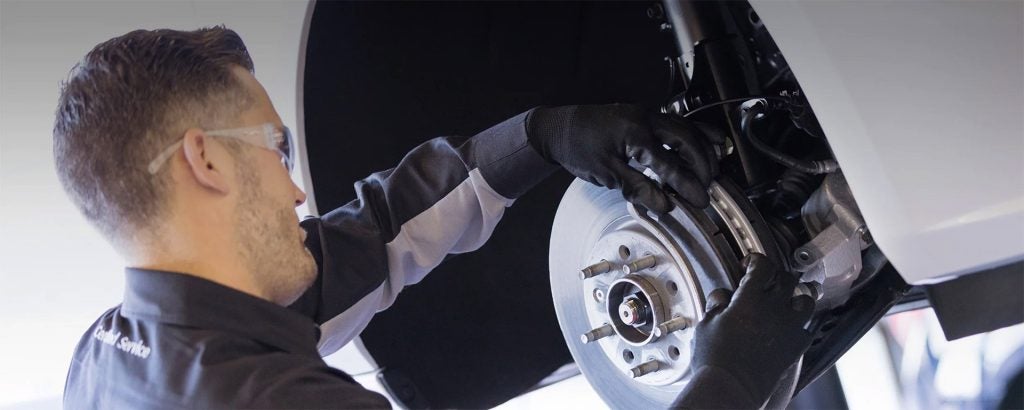
An automotive technician in safety glasses and gloves works on a car's disk brake assembly.

At our automotive dealership, we are committed to providing you with top-notch service at each stage of the car-owning process. This assistance involves providing our Anniston clients with genuine Chevrolet and Buick parts. Whether preparing a do-it-yourself vehicle project, requiring repairs at our dealership, or looking to upgrade your automobile with new accessories, we are here to help.

We understand how crucial it is to equip the vehicles we service with authentic manufacturer parts. Our service department maintains a sizable inventory of genuine Chevrolet and Buick components. Choosing these original parts over aftermarket parts allows you to extend the life of your model and helps ensure its longevity.

When you purchase a genuine part for your car, you get the same detail that went into its construction. This precision ensures that it is the appropriate component for your auto and can perfectly fit the other parts. By sticking with genuine parts, you maintain the value of your vehicle and keep it performing in peak condition.

Discover Chevrolet and Buick Parts Near Anniston

Our service center is an excellent choice if you want necessary maintenance and repairs or desire accessory installations on your car. You can ensure you get a genuine part or accessory at a competitive price by purchasing your items straight from our parts department. Order with us to get your desired outcome when you need quality assistance for your Chevrolet or Buick vehicle.

Order Genuine Parts Online

If you have questions, we will evaluate your circumstances to help you pick the most suitable component for your needs. Get started today by reviewing our parts specials to save even more on your parts and accessories. Then, please send us a request for what you require for your vehicle. Our online form makes it easy to order parts and ask questions. You can also visit our dealership for assistance and installation from our knowledgeable parts technicians. We look forward to seeing you at Cooper Chevrolet Buick soon!

Posted in:

Recommended Posts

Your Complete Car Tires and Wheels FAQ: Parts, Maintenance, and More

Your Complete Car Tires and Wheels FAQ: Parts, Maintenance, and More

Did you know there's a lot more to your car's tires and wheels than just spinning to make your vehicle move? It's actually a complex system that works together, and understanding how your tires and wheels work together can help you catch problems early, maintain your vehicle properly, and make smarter decisions at the service counter. This FAQ breaks everything down in plain language for drivers in Anniston, Alabama. Tire sidewall marking , numbers and letters on tire meaning of car tire isolated on white background , Car tire concept; Shutterstock ID 2243054247; purchase_order: 27223; client: DealerOn What Are the Main Parts of a Wheel? A wheel is made up of several distinct components, and each one plays a role in keeping your vehicle safe and running smoothly. The rim is the outer circular edge of the wheel that holds the tire in place. The spokes connect the rim to the center and give the wheel its structural integrity - they also contribute heavily to the visual style of the wheel. The hub sits at the center and is where the wheel bolts onto the axle. Lug nuts (or lug bolts on some vehicles) fasten the wheel to the hub. They should always be torqued to the manufacturer's specification - over- or under-tightening can cause warping or wheel separation. more What Are the Main Parts of a Tire? Tires are more complex than they look from the outside. The tread is the outermost rubber layer that contacts the road. It's designed with grooves and sipes (the thin lines cut into the tread blocks) to channel water away and improve grip. Beneath the tread sits the belt layer, typically made of steel, which adds rigidity and puncture resistance. The sidewall is the vertical section of the tire between the tread and the rim, and it protects the internal structure from curbs and road debris. The bead is the reinforced inner edge of the tire that locks onto the rim to create an airtight seal - if this seal fails, you'll lose air pressure fast. The inner liner replaces the old tube design and holds pressurized air inside the tire. Finally, the valve stem is the small rubber or metal protrusion through which you add or release air. Over time, rubber valve stems can crack and leak, so they're worth replacing when you mount new tires. How Do These Parts Work Together? When you drive, your wheels and tires work as a system to support the vehicle's weight, absorb road impact, transmit engine power, and allow steering. The hub connects everything to the drivetrain, the lug nuts hold the wheel securely, and the tire's bead-to-rim seal keeps your air pressure consistent. If any part of this system fails, you can lose control or cause uneven wear on other components. What Can Go Wrong With Tires and Wheels? There's a wide range of issues that can develop over time. Tires can develop uneven tread wear from misalignment, improper inflation, or worn suspension components. A bulge or bubble in the sidewall usually means internal damage and is a safety risk that requires immediate attention. Cracked sidewalls can develop from age or UV exposure, even if the tread looks fine. On the wheel side, bent rims from pothole impacts can make it impossible to maintain proper air pressure and affect steering feel. Corroded or damaged lug nuts can strip or seize, making tire changes difficult and potentially dangerous. A leaking valve stem is easy to overlook but can cause slow air loss that leads to underinflation. What Kind of Maintenance Do Tires and Wheels Need? Tire rotation should happen every 5,000 to 7,500 miles to promote even tread wear. Wheel balancing corrects weight distribution and prevents vibration at highway speeds. Alignment checks keep your steering correct and prevent premature tire wear. Check tire pressure at least once a month - including the spare. Inspect lug nut torque after any tire service and have your valve stems inspected whenever you buy new tires. Visit Cooper Chevrolet for Expert Tire and Wheel Service Understanding your wheels and tires is a great first step - but regular professional inspections make all the difference. This FAQ covers the basics, but every vehicle is different. Drivers throughout Anniston, Alabama can count on the certified technicians at Cooper Chevrolet to keep every part of their wheels and tires in top condition. Stop by or schedule a service appointment online today.

Oil Pressure FAQ: Understanding Low Oil Pressure Warning Signs and Solutions for Your Chevrolet

Oil Pressure FAQ: Understanding Low Oil Pressure Warning Signs and Solutions for Your Chevrolet

Oil pressure plays an essential role in keeping your Chevrolet engine properly lubricated and operating efficiently. When oil circulates through the engine, it creates a protective barrier between moving components, reduces friction, and helps manage heat. A drop in oil pressure can indicate a maintenance issue that requires attention. At Cooper Chevrolet in Anniston, AL, we help drivers understand important vehicle maintenance topics, including common oil pressure concerns, warning signs, and steps to protect their Chevrolet. Whether you drive a Silverado, Equinox, Traverse, Tahoe, or another Chevy model, knowing how your oil pressure system works can help you maintain dependable performance. What Is Oil Pressure and Why Does It Matter? Oil pressure refers to the force that moves engine oil through internal passages to reach important components. Your engine depends on consistent oil flow to lubricate bearings, pistons, and other moving parts. Without proper oil pressure, these components can experience increased friction and heat. more A healthy oil pressure system helps: Deliver oil to critical engine components Reduce friction between moving parts Support proper engine temperature control Protect internal components from premature wear Your Chevrolet’s oil pump helps circulate oil throughout the engine. When the system operates correctly, oil reaches the areas that need protection most. What Does the Oil Pressure Warning Light Mean? The oil pressure warning light indicates that your vehicle has detected a potential issue with oil pressure. This warning should never be ignored because driving with low oil pressure may lead to serious engine damage. The warning light may appear due to: Low engine oil levels A failing oil pump An oil leak Incorrect oil viscosity A clogged oil filter Internal engine wear If the oil pressure warning light appears while driving, safely pull over when possible and turn off the engine. Continuing to operate your vehicle with low oil pressure can increase the risk of costly repairs. How Do I Know If My Chevrolet Has Low Oil Pressure? Low oil pressure can create several noticeable symptoms. Paying attention to changes in your vehicle’s performance can help you address issues before they become more severe. Common signs of low oil pressure include: An illuminated oil pressure warning light Engine ticking or knocking noises Reduced engine performance Increased engine temperature A noticeable oil leak beneath the vehicle If you notice these symptoms, scheduling an inspection with trained Chevrolet technicians can help determine the cause. What Causes Low Oil Pressure in a Chevrolet? Several factors can contribute to low oil pressure. Some issues may involve routine maintenance, while others may require professional diagnosis. Common causes include: Insufficient engine oil levels Old or degraded engine oil Using the incorrect oil type A damaged oil pump Worn engine components A blocked oil passage Regular oil changes and proper maintenance help support consistent oil pressure. Following the recommended service schedule in your Chevrolet owner’s manual is one of the best ways to protect your engine. Can Low Oil Levels Cause Low Oil Pressure? Yes, low engine oil levels can contribute to low oil pressure. When there is not enough oil available, the oil pump may not be able to maintain proper circulation throughout the engine. Drivers should check oil levels regularly, especially before long trips or when noticing possible warning signs. If the oil level is low, adding the manufacturer-recommended oil may help restore proper levels, but continued issues should be inspected by a qualified technician. How Often Should You Check Your Engine Oil? Checking your engine oil regularly helps you identify potential problems early. While modern Chevrolet vehicles include advanced monitoring systems, a manual inspection can still provide valuable information. Consider checking your oil: Before extended road trips When your vehicle displays an oil-related warning During routine maintenance intervals If you notice signs of an oil leak Your owner’s manual provides specific recommendations for checking oil levels and maintaining your Chevrolet. Does Changing Oil Improve Oil Pressure? Regular oil changes help maintain proper engine operation by keeping oil clean and allowing it to flow effectively. Over time, old oil can become contaminated with dirt and debris, reducing its ability to protect engine components. Fresh oil helps support: Proper lubrication Cleaner engine operation Reduced friction Consistent engine performance While an oil change can help with maintenance-related concerns, persistent oil pressure issues require a professional inspection to identify the underlying cause. What Type of Oil Does My Chevrolet Need? Using the correct engine oil is important for maintaining proper lubrication and performance. Chevrolet models may require different oil specifications depending on the engine design and model year. The recommended oil type depends on: Vehicle model Engine configuration Manufacturer specifications Driving conditions Always refer to your Chevrolet owner’s manual or consult a service professional to confirm the correct oil for your vehicle. Can I Drive With the Oil Pressure Light On? Driving with an active oil pressure warning light is not recommended. This warning may indicate that your engine is not receiving adequate lubrication, which can result in significant damage if ignored. If the light appears: Safely pull over when possible Turn off the engine Check the oil level if it is safe to do so Contact a qualified service center for assistance Taking immediate action can help prevent additional engine concerns. Schedule Chevrolet Service at Cooper Chevrolet Understanding oil pressure and recognizing warning signs can help you protect your Chevrolet for years to come. Proper oil maintenance, regular inspections, and timely service all contribute to reliable engine performance. At Cooper Chevrolet in Anniston, AL, our service team is ready to assist with oil changes, engine inspections, and maintenance recommendations for your Chevrolet. Whether you have questions about an oil pressure warning light or need routine service, we are here to help keep your vehicle running smoothly. Schedule you appointment online today.

Your Complete Vehicle Financing FAQ from Cooper Chevrolet 

Your Complete Vehicle Financing FAQ from Cooper Chevrolet

Buying a new Chevrolet is exciting, but figuring out how to pay for it can feel overwhelming if you have never gone through the process before. Understanding how vehicle financing works can make the whole experience much smoother. If you are eyeing a new Silverado, Equinox, or Trax, this guide answers the most common questions drivers in Anniston, Alabama, ask before signing on the dotted line. What Is Vehicle Financing? Vehicle financing is the process of borrowing money to purchase a car and repaying that amount, plus interest, over a set period. Instead of paying the full purchase price upfront, you make monthly payments to a lender until the loan is paid off. Most buyers finance through a bank, credit union, or a manufacturer-affiliated lender like GM Financial. How Do Interest Rates Work? Your interest rate, also called your annual percentage rate (APR), determines how much you pay in addition to the principal loan amount. Rates vary based on your credit score, the loan term, the vehicle model year, and current market conditions. Buyers with stronger credit typically qualify for lower rates. GM Financial occasionally offers promotional financing rates on select Chevrolet models, which can reduce your overall cost significantly. more What Loan Terms Are Available? Loan terms typically range from 24 to 72 months, with some lenders offering 84-month options. Shorter terms mean higher monthly payments, but you'll pay less interest. Longer terms lower your monthly payment but can result in paying more interest overall. It helps to think about your monthly budget and how long you plan to keep the vehicle when choosing a term. What Documents Do You Need to Apply For Financing? Most lenders require a few standard documents to process a financing application. You will typically need a valid government-issued ID, proof of income such as recent pay stubs or tax returns, proof of residence like a utility bill, and proof of insurance. If you are trading in a vehicle, bring the title or your current loan account information as well. How Does Financing Pre-Approval Work? Getting pre-approved for financing before you visit the dealership gives you a clear picture of your budget. The process involves submitting a credit application to a lender, who then reviews your financial profile and offers a loan amount and rate. Being pre-approved does not lock you in, but it gives you a strong negotiating starting point and helps streamline the purchase process. Can You Finance With Less-Than-Perfect Credit? Yes, financing options are available for a range of credit situations. Lenders like GM Financial work with buyers across the credit spectrum, though your interest rate and terms may differ based on your score. If your credit needs some work, consider making a larger down payment to reduce the amount you need to borrow and potentially improve your approval odds. What Is a Down Payment and How Much Do You Need? A down payment is the amount you pay upfront toward the purchase. It lowers the amount you need to finance, which reduces your monthly payment and the total interest paid. A common guideline is to put down at least 10% of the vehicle's purchase price, though more is always helpful. Trading in your current vehicle can also count toward your down payment. Should You Lease or Finance? Financing means you will own the vehicle outright once the loan is paid off. Leasing, on the other hand, is more like a long-term rental - you make payments for a set term and then return the vehicle or purchase it. Financing tends to make more sense if you plan to keep the vehicle long term, drive high mileage, or customize it. Get Your Questions Answered at Cooper Chevrolet Understanding vehicle financing puts you in control of one of the biggest purchases you will make. From knowing what documents to bring to understanding how GM Financial programs work, being informed helps you move forward with confidence. The experts at Cooper Chevrolet can help you explore financing options on the full lineup of Chevrolet cars, trucks, and SUVs.